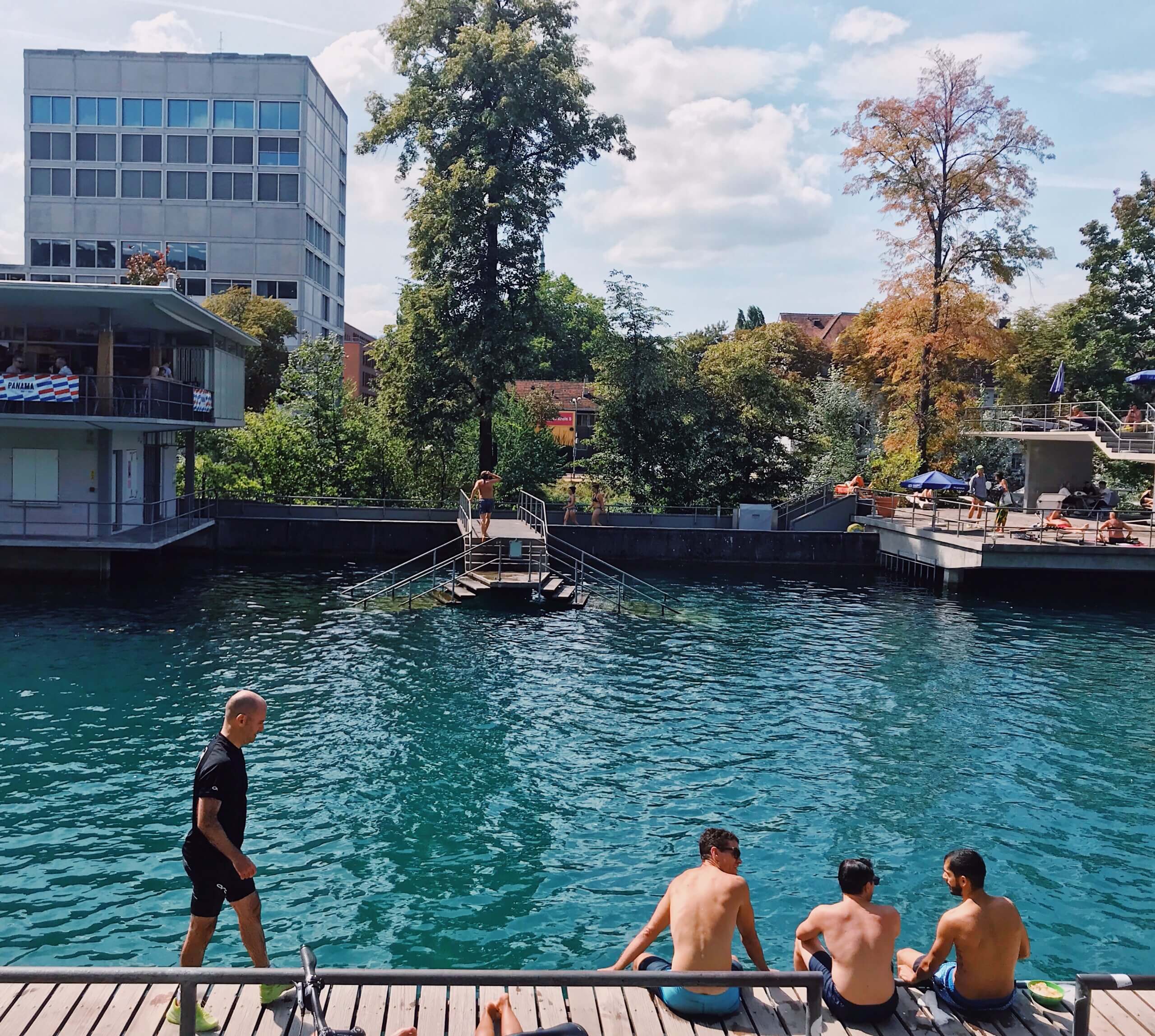
First of all, let's be clear. Switzerland is an expensive country, and according to a study conducted by Omio, its trains are the most expensive in the world. Traveling by train here is on average 30% more expensive than British trains. So, why do I recommend visiting Switzerland as a budget traveler? In short, Switzerland is one of the most magnificent and beautiful countries I have ever visited that should not be missed. I say this as someone living in Germany, which also has stunning natural landscapes. The trains in Germany are nice, but they tend not to leave on time; whereas the trains in Switzerland are extremely punctual. Additionally, the trains here are designed to enjoy magnificent mountain views, peaceful valleys, and charming villages. The trains here are at least 50% better than those in the United Kingdom and even Germany, so it is definitely worth this investment. Still, with a little planning, you can save money on your trip to Switzerland, and below I share 15 tips for visiting Switzerland on a budget.
1. Get a Swiss Travel Pass
The Swiss Travel Pass provides unlimited free travel on trains, trams, boats, and buses for 3 to 15 days. Tip: Opt for the Swiss Travel Flex option, which allows unlimited travel for 3 days in a month (267 CHF). The pass also provides unlimited use of public transportation and free access to 500 museums across Switzerland.
In addition to regional transport, public transport in cities is included - such as buses, trams, and cable cars. Another great aspect of purchasing the pass is that it provides a 50% discount on mountain railway tickets. There are many different options for purchasing a specific pass, and it is definitely beneficial to research to find a pass that suits your needs. There are options for consecutive travel days or flexible pass options. You can purchase a pass for 3, 4, 6, 8, or 15 consecutive days. One of the biggest advantages of the pass is that you don’t have to wait in line to buy tickets. This gives quite a luxurious feeling and certainly reduces the stress of traveling in a new country. Those under 26 receive a 30% discount on travel.
Some advantages of the travel pass include not having to stick to a strict itinerary. With the flexibility to travel far, this definitely broadens the scope of travel. Switzerland is an ideal place to explore with its clear mountain lakes and rugged peaks. Purchasing the Swiss Travel Pass with the option to visit over 500 museums makes Switzerland an affordable and rich travel experience.
2. Choose Scenic Routes
The Swiss Travel Pass also includes boat services, allowing you to enjoy a full day of ferry rides on Lake Geneva, Lake Lucerne, or Lake Zurich, all covered by your pass. On a sunny autumn morning, I joined a boat trip on Lake Geneva, which was a perfect way to enjoy the stunning views surrounding this iconic Swiss-French lake and the charming lakeside towns. Popular stops on the trip include Vevey, the birthplace of Chaplin, Montreux, and the breathtaking view of the medieval Chillon Castle near Montreux.
3. Have a Picnic on the Train or Boat
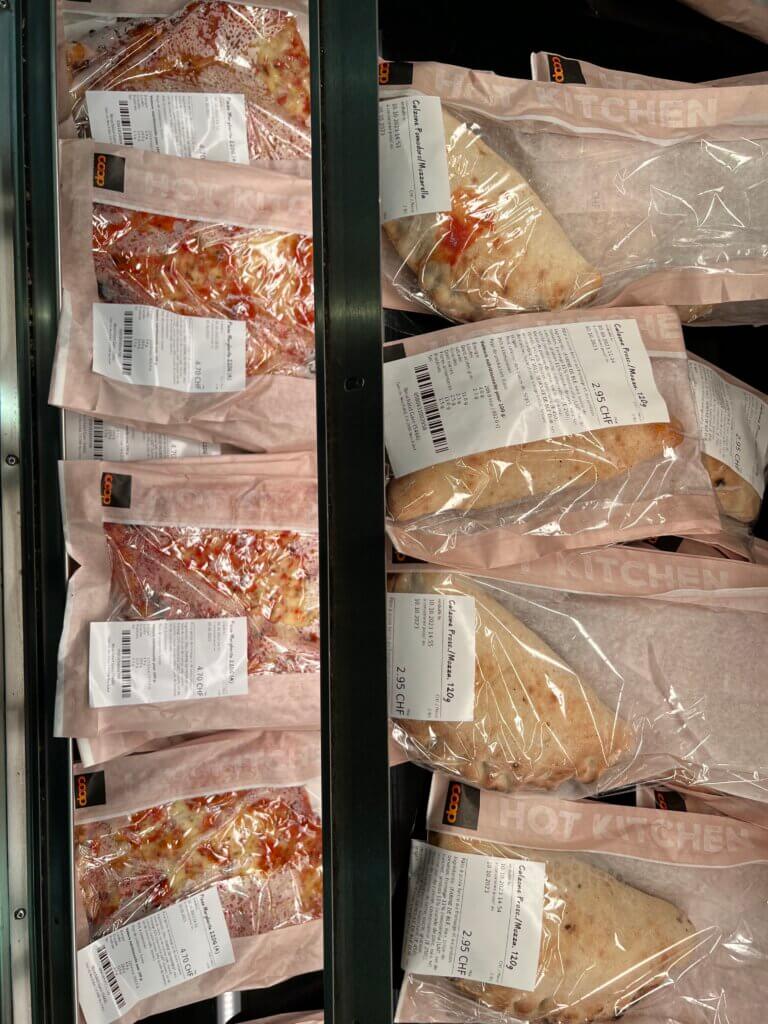
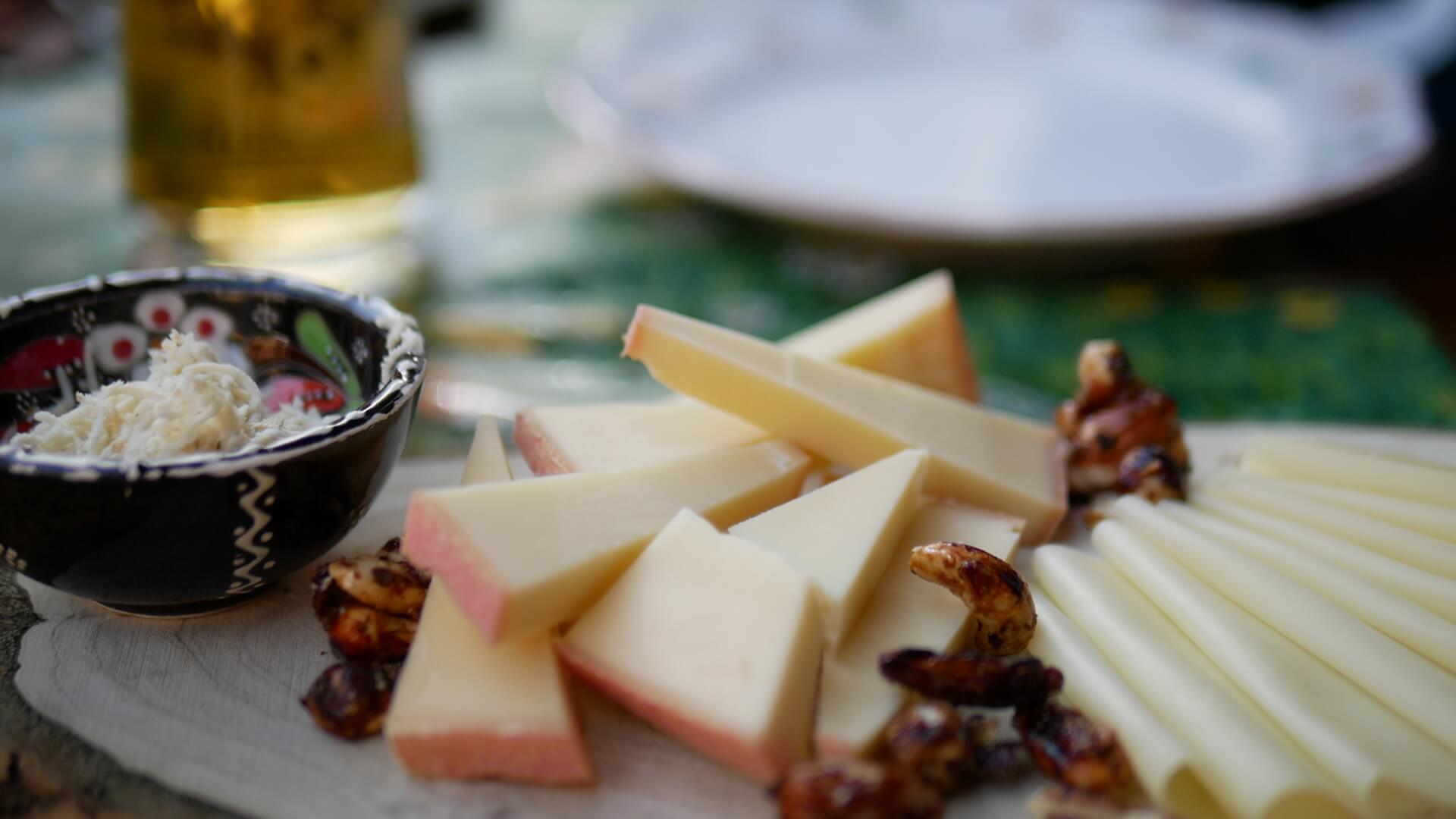
Most train stations in Switzerland have a Coop or Migros supermarket where you can buy local cheese, sushi or salad, a hot food section (vegetarian calzone 3 €), and a wide selection of Swiss chocolate. A drink to try is Rivella - a typical Swiss milk-based soft drink.
4. Stay in a Hostel
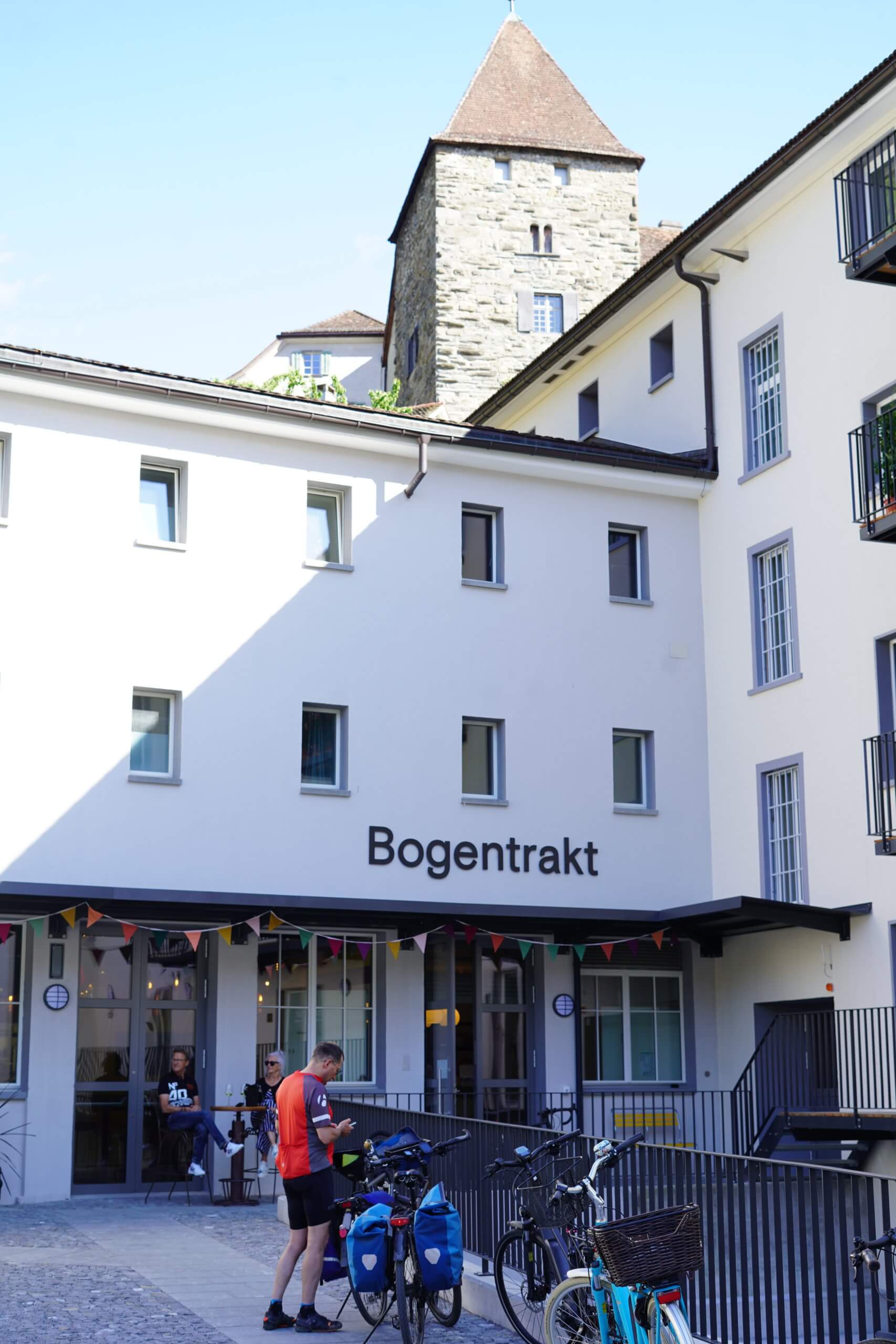
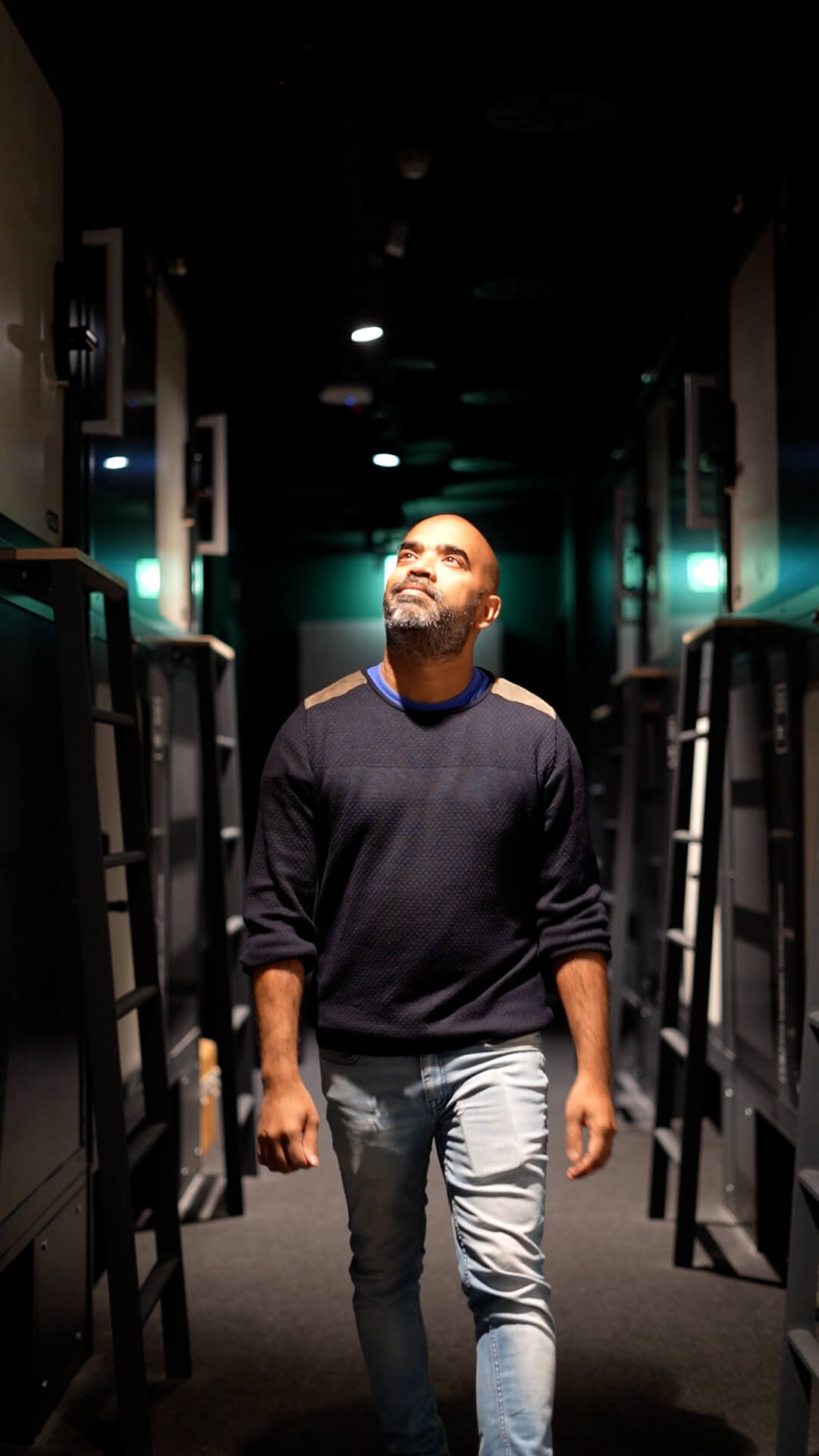
If you have a budget, staying in a hostel is the best way. One of my favorites is the Bogentrakt Hostel in Chur (definitely a charming town you should consider for your next trip to Chur - check out my latest guide on Free Things to Do in Chur), while Capsule Hotel Switzerland is a great little chain offering spacious, comfortable Japanese-style beds; you can enjoy your own privacy at a much lower cost than a room: use the code for a 15% discount: CAPSULE15 at Capsule Hotel Alpine Garden and all other locations, including Lucerne and Basel.
Check out my review of Capsule Hotel Alpine Garden in my new guide on how to enjoy Zurich on a budget.
5. Reduce Your Daily Average Costs and Cook Your Own Meals
Eating out and alcohol will be two major expenses in Switzerland. Fortunately, many hostels have a kitchen where you can prepare your own meals. One of our favorite travel accessories is a good Tupperware container for storing sandwiches, and I also carry my Indian spices with me when I need to make a curry.
6. Sleep in a Hay Bed
Check out the 'Sleeping in Hay Bed' service that allows you to sleep in barns on farms across Switzerland; breakfast included for just 30 CHF!
7. Use a Reusable Water Bottle
Opportunities to refill your water bottle in Switzerland are endless; there are 1200 public fountains in Zurich alone!
8. Try 100 Varieties of Biscuits at Kambly Factory
Skip breakfast, skip lunch, and visit the Kambly factory store in Trubschachen; there are 100 varieties of biscuits available and free samples!
9. Free Museums in Switzerland (and Free Chocolate)
The Swiss Travel Card offers free access to 500 museums. This includes Maison Cailler, Switzerland's oldest chocolate brand; here you can take advantage of unlimited tasting opportunities of the famous Cailler chocolates. Many museums in Switzerland are free: for example, CERN in Geneva and the Natural History Museum in Solothurn. Some cities offer free access to museums and galleries on certain days. Most museums in Zurich offer free entry on Wednesdays.
10. Hike to Burn All the Chocolate and Cheese
With so much free chocolate and biscuits, you'll need to hike to burn them off, and you're in luck because Switzerland has 65,000 kilometers of hiking trails. Use the Schweizmobil website to plan your hike or download their apps.
11. Avoid Alcohol
A way to save money in Switzerland is to avoid alcohol. A beer will cost around 8 CHF, while a mixed drink or cocktail will be about 15 CHF.
12. Free Public Transport in Switzerland
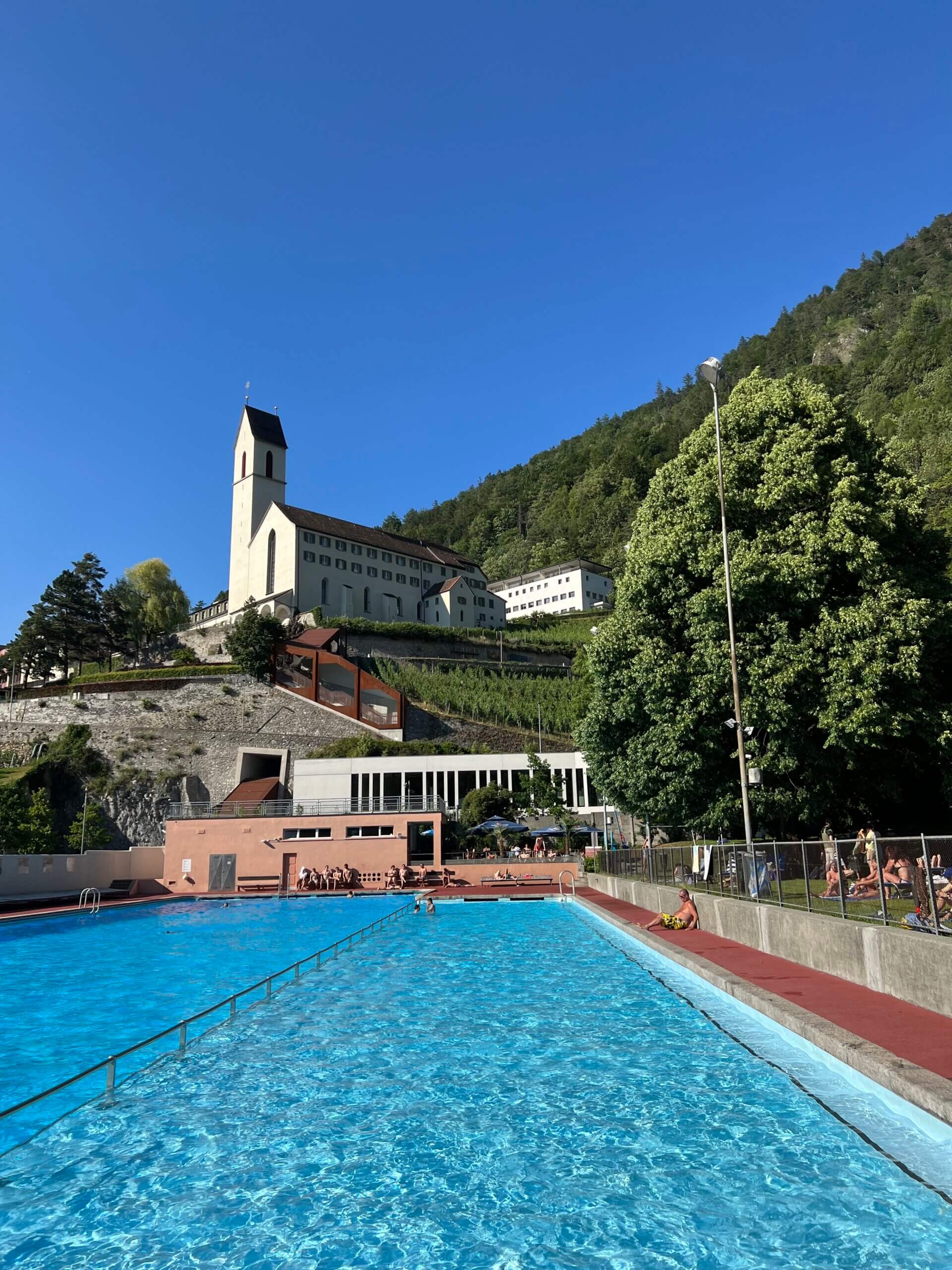
In various Swiss cities, guests are provided with free access to the local public transport network. During check-in at accommodations in Bern, Basel, Lucerne, Lausanne, Montreux, Geneva, and throughout the Ticino Canton, you will receive a card that allows unlimited use of local transport during your visit. In Chur, you also have access to local museums and very nice public swimming pools.
13. Rent a Bicycle
Cycling can be one of the most environmentally friendly ways to get from one point to another in a city or a great way to explore the outskirts of the city slowly but thoughtfully. In Swiss cities like Zurich, Bern, Geneva, Neuchâtel, Zug, or the Valais Canton, the option to rent a bike is completely free! In Geneva, 'Züri rollt' allows you to rent a bike with a valid ID and a 20 CHF refundable deposit; for a day or, in some cases, for a few hours. E-bikes and cargo bikes are available at 30 CHF/day. The main bike station is located at Europaplatz in Zurich Main Station. Bikes are available every day, year-round from 8 AM to 9:30 PM. Checking bike rental options in other Swiss cities may be cheaper than other transportation options.
14. Take a Free Walking Tour
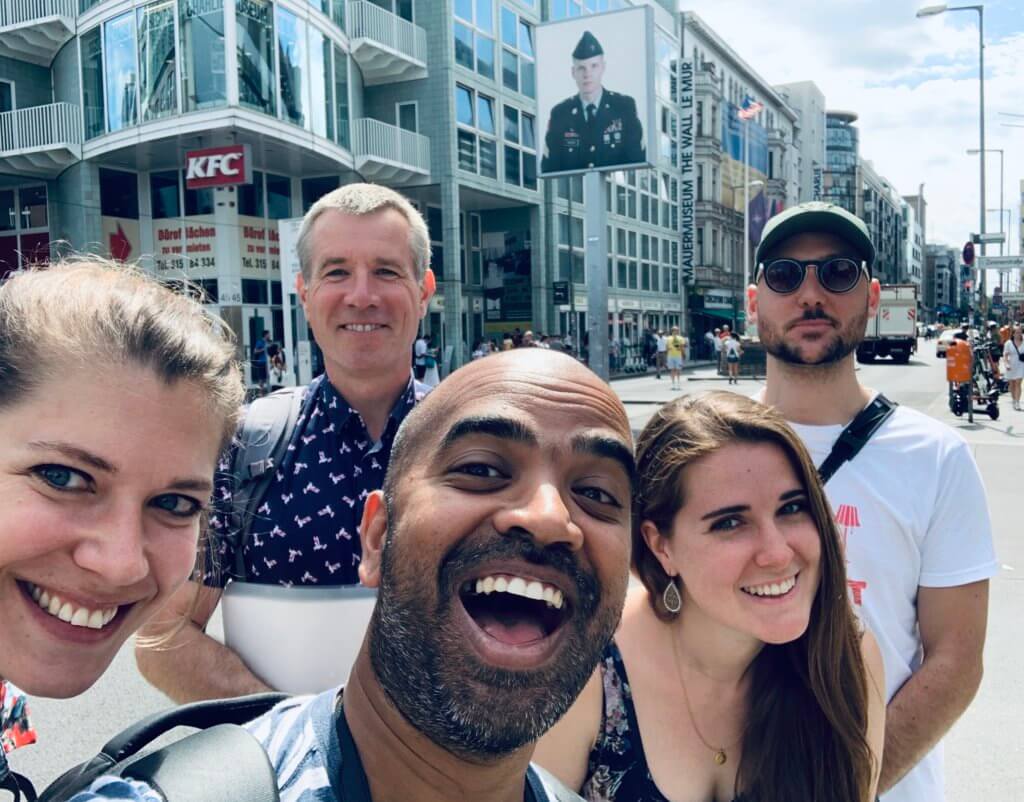
Free walking tours are organized in major cities in Switzerland such as Zurich, Geneva, and Bern. Here are a few tips for finding and enjoying free walking tours in Switzerland.
Free Walking Tours Switzerland
Free Walking Tours Switzerland offers informative and entertaining tours without charging any fees in advance.
Check the Tourist Information Point
Also, check the local tourist information center in the city you are in. They can provide information including starting points and times for scheduled free walking tours.
Check Your Hostel
Additionally, check your hostel which may organize free walking tours in their city.
15. Remember: Travel Insurance
Tourists from EU/EFTA countries or the United Kingdom (UK) can benefit from the EHIC program for medical treatment during their travels in Switzerland. Citizens of other countries need to have appropriate travel insurance to cover treatment costs in Switzerland. I recommend Safety Wing.
Note: This post was made possible through a storytelling project about the Switzerland Travel Card; in collaboration with the Swiss Travel System and Switzerland Tourism. All opinions, good or bad, are entirely my own.
Comments
(3 Comments)