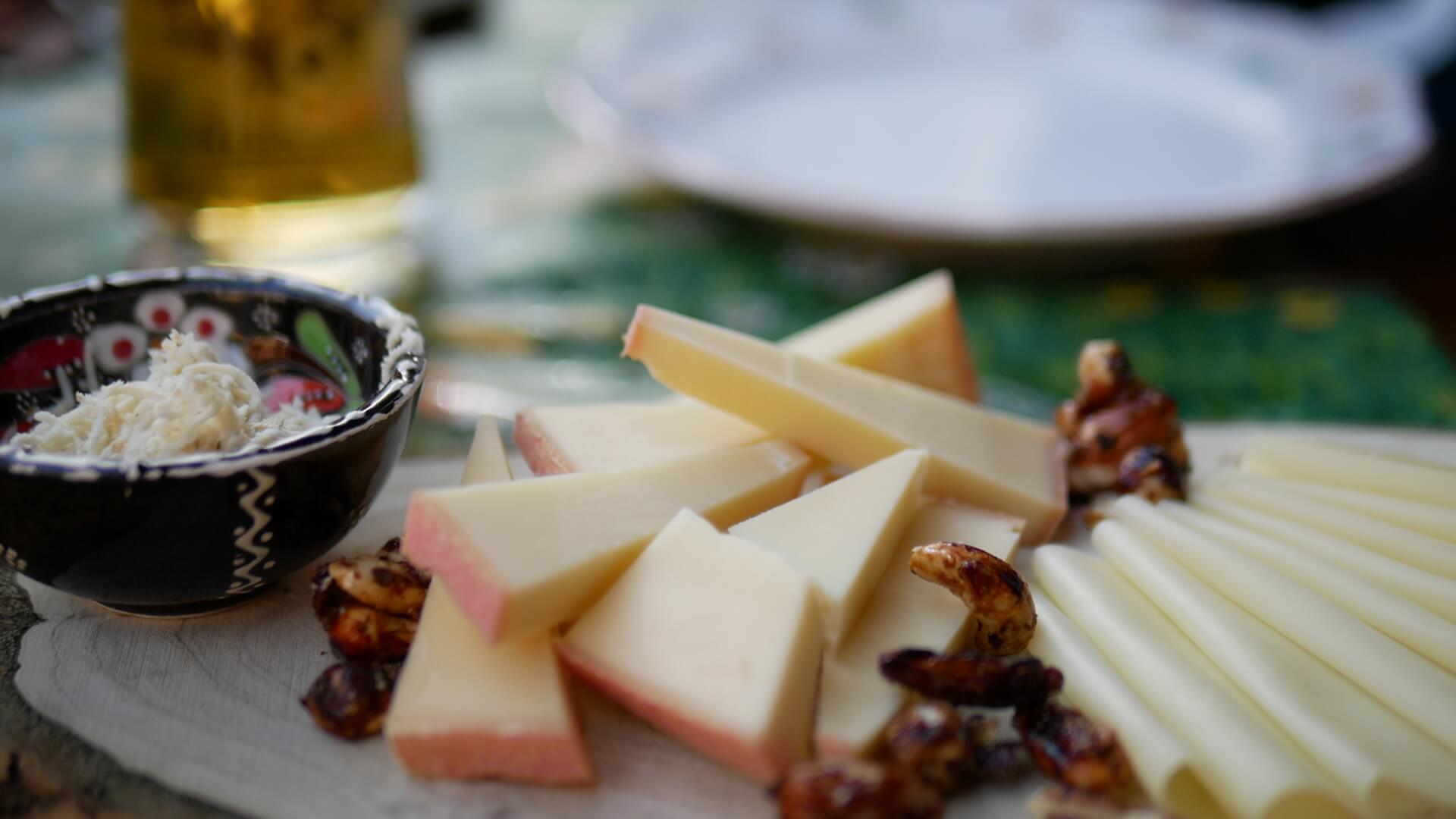
“We have always had a poor kitchen culture, we worked the land and tried to cook with very simple ingredients—potatoes, meats, and cheese, Riebel. I think our innovations arise from this necessity.”
Guerrino Longhinop
As a child of immigrants, food and identity have always been an obsession for me. A plate of food is not just a means of nourishment. Within it lies our stories, a complex web of identities, with threads extending from London to Kolkata, from Tokyo to Lisbon. Appreciating the story behind each dish and learning the craft not only makes the food more enjoyable but also brings us together. It allows us to appreciate the history and heritage of a place. The craft shaped by centuries of poverty and harsh cold winters becomes a capsule of a magical time traveler that transcends time and space. Especially in places where national borders overlap and cultures collide, food can be a fascinating prism for exploring identity. Vorarlberg, located in the northwest of Germany, the west of Switzerland, and the east of Liechtenstein, is a place that creates a unique culinary culture where climate, history, and culinary traditions intertwine, on the shores of Lake Constance in southeastern Austria.
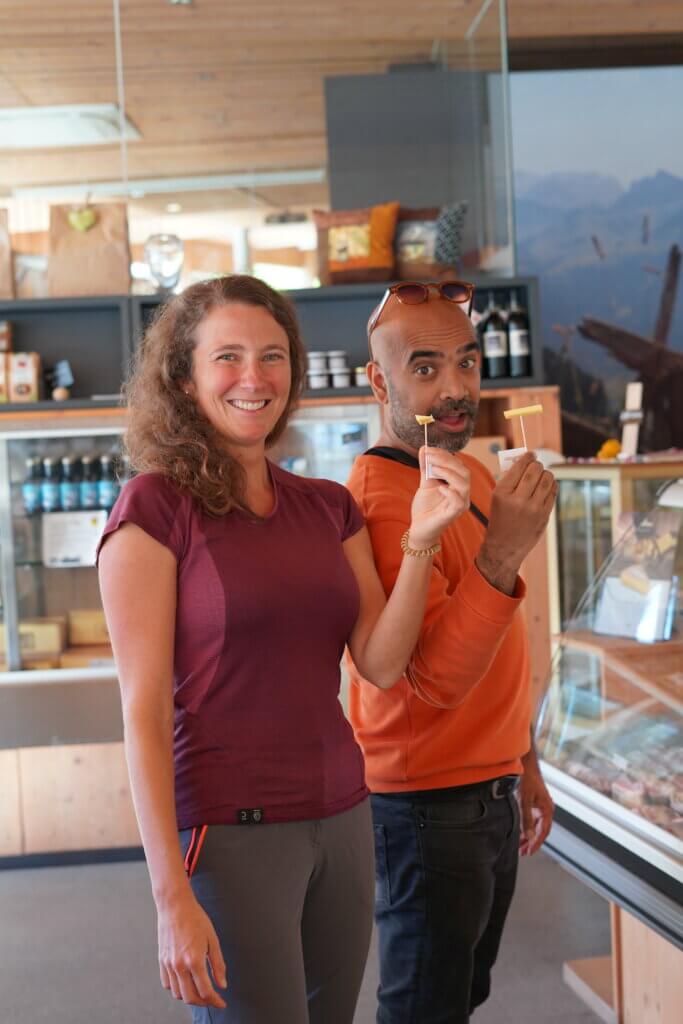
One of the places where complex identity is most clearly seen is at a local farmer's market, so on a beautiful but cold, cool autumn morning, I went to the Dornbirn Farmer's Market and chatted with many friendly local producers. One of them was Guerrino Longhinop, of Italian descent, who has been selling handmade Italian cheeses and meats at the market for the last 15 years and has become a Vorarlberg local. His favorite customer and biggest fan at the market is Monty, the dog of the market owner, who comes every Saturday to get a bite of Guerrino's delicious Pecorino cheese.
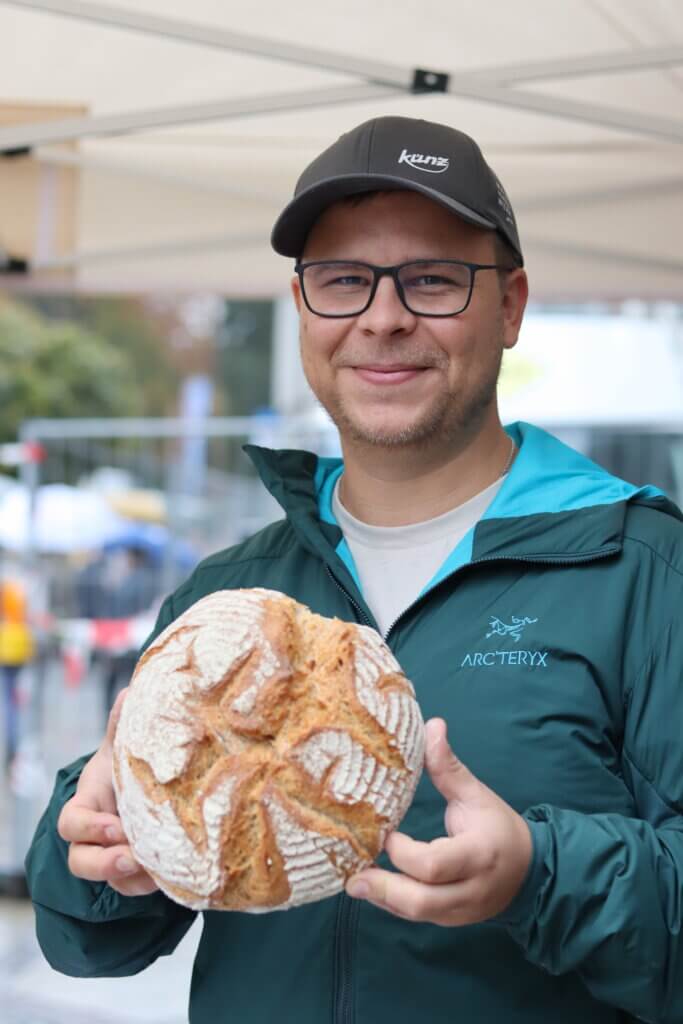
Cheese is not just for dogs; here in Vorarlberg, cheese is like a religion, and wherever you look, there are various cheeses piled high like mountains at every corner of the market; each variety tells the story of altitude, grass, and cows. Good bread must accompany great cheese. Another friendly local you will meet at the market is Dominik Künz, a fourth-generation baker who proudly showcases the breads he makes from local Bregenzerwald spelt flour. “It was a bit of an experiment,” he says with characteristic mountain humility. “It was hard to gain people's trust, but now everyone loves the bread.”
“We share the same kitchen, but our ingredients are local…. Also, every dish comes with cheese, from dumplings to fondue, to soup. Cheese is everywhere!!”
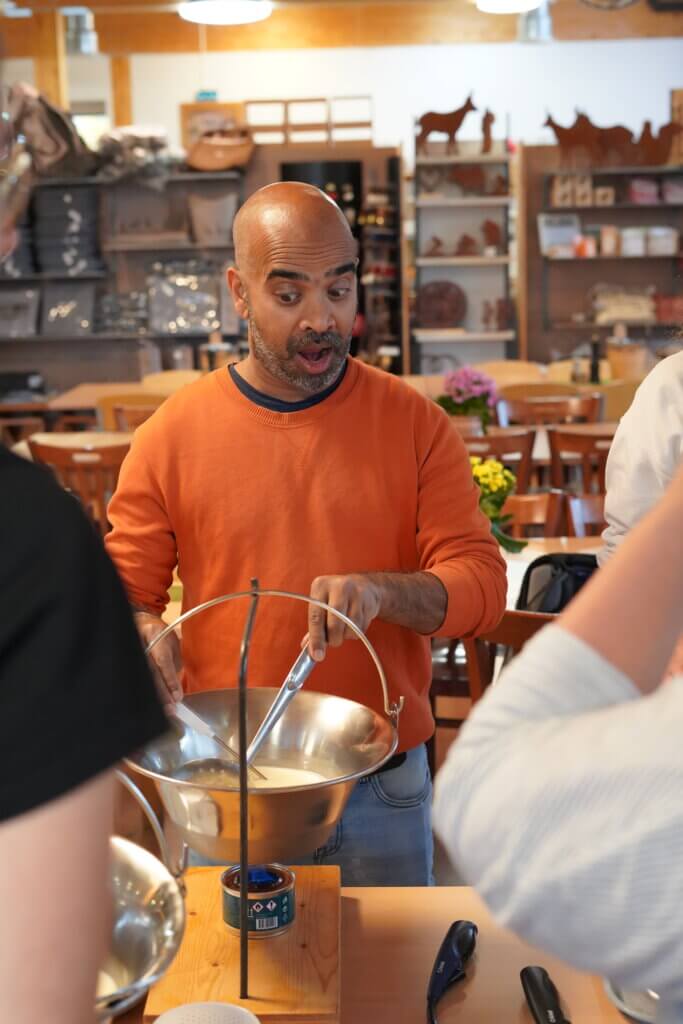
Since cheese is everywhere on the Vorarlberg menu, our next stop should be to learn how it is made. So, we went to the mountainous region of Montafon, which has one of the oldest cheese-making traditions in Europe, dating back to the 12th century. Montafon offers a true glimpse into mountain life in Vorarlberg—rugged mountain peaks, beautiful sunsets, happy animals, friendly locals, and plenty of cheese. The place to taste all the delicious cheeses in the region is Käsehaus Montafon. Deciding to take it a step further, I signed up for a cheese-making workshop. Under the careful eyes of Oliver, a professional cheesemaker, I made my own cheese during the two-hour workshop. Then comes the fun part; a delicious farmer's buffet filled with regional flavors, including the region's special product, the salty sour Montafon Sura Kees. There is a limited time in the summer for the production of this cheese, and over 800 cows provide milk to 13 alpine dairies. Like the alpine cheese produced from May to September, Vorarlberg cuisine is enriched by these simple, time-worn methods and unique seasonality. This is a dish that does not try to impress you; it is simply as it is, which makes it even more impressive.
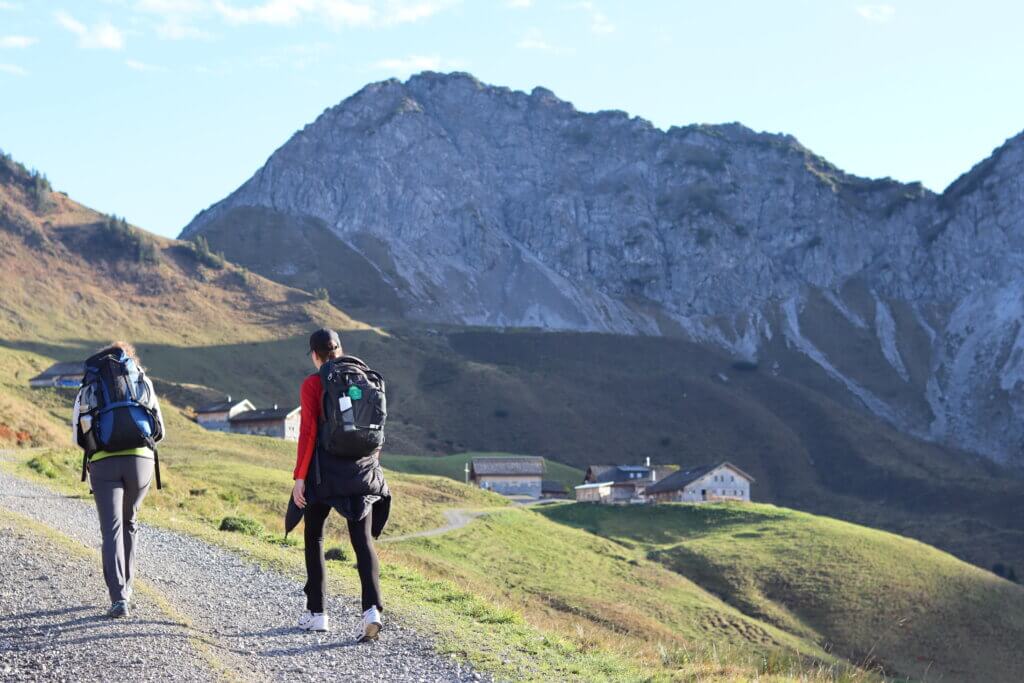
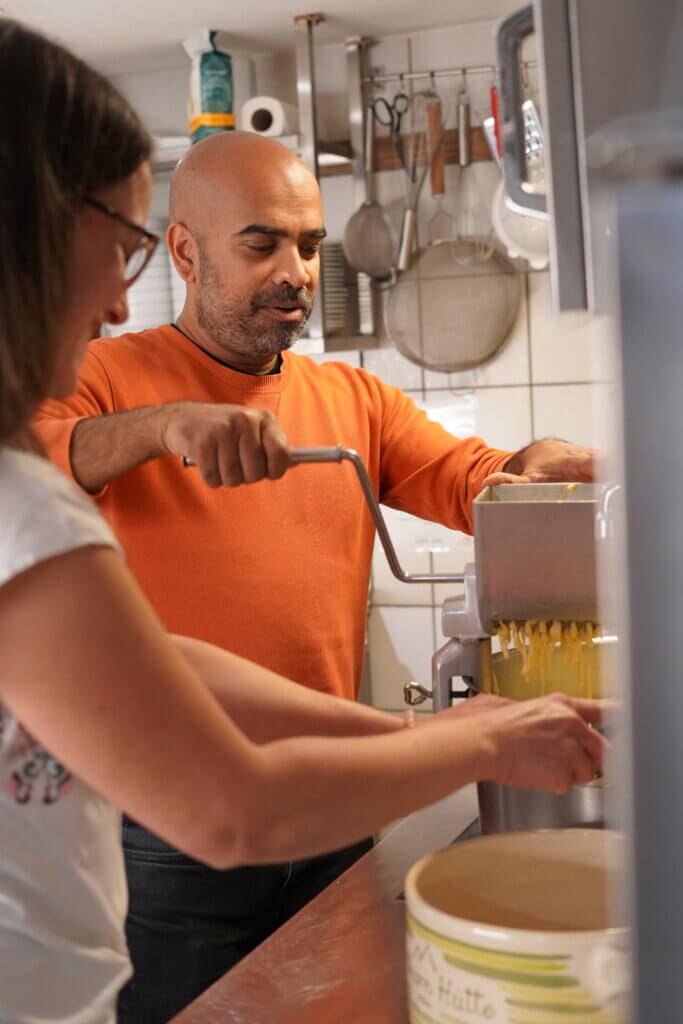
After a long solitary walk in Vorarlberg, the reward should be a plate of aromatic Käsknöpfle cheese spaetzle, a thick Austrian pasta and cheese version, served with crispy onions. This dish is offered in almost every inn and restaurant in the region, but one of the most unique places to taste it is the magical Breithornhütte.
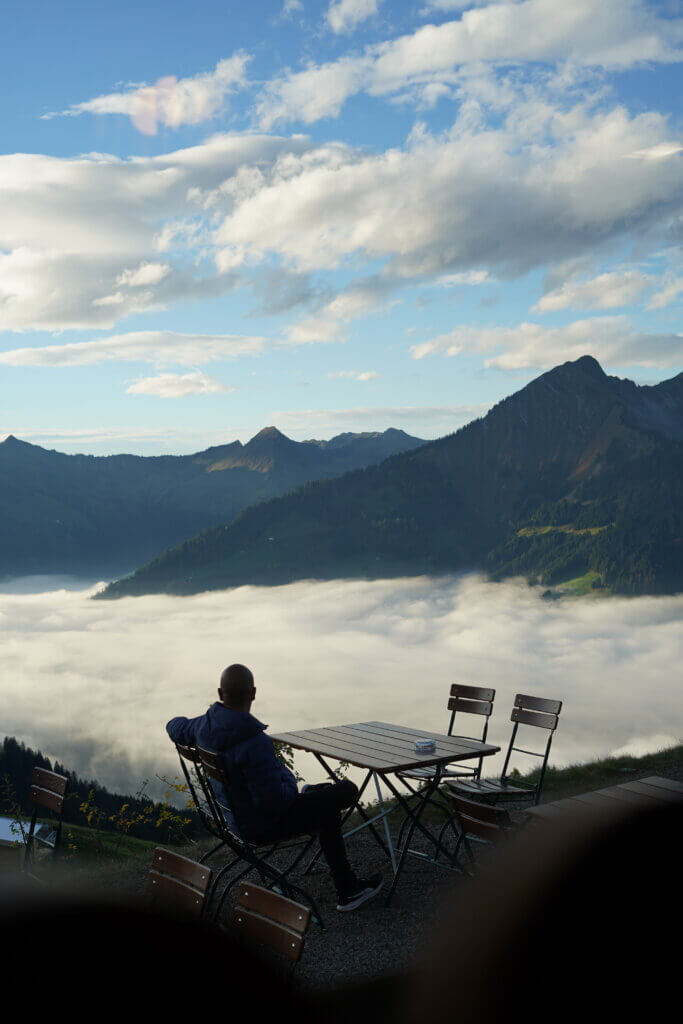
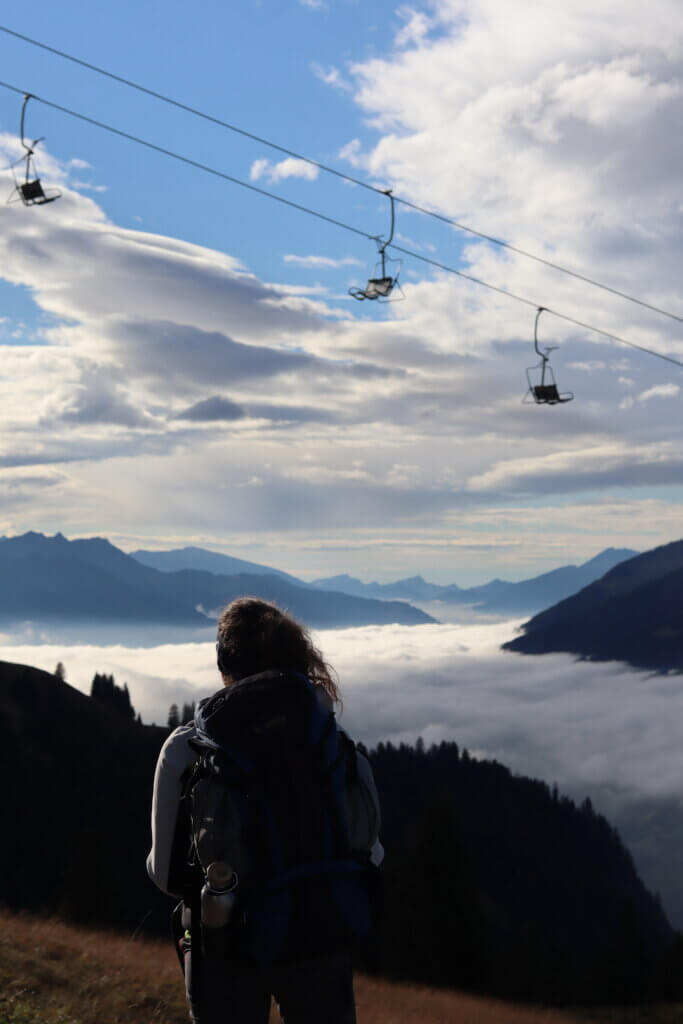
View of Breithorn and Große Walsertal, all the way to the Swiss mountains
After a few generous portions of Käsknöpfle, the best thing is to have a schnapps and then watch the sunset from the rustic dining room. You can see the magnificent views of Breithorn and the beautiful Große Walsertal landscape stretching all the way to the Swiss mountains (Säntis). The sunrise is equally enchanting, and as I returned to the cable car station, I felt a sense of gratitude for having experienced such a beautiful place, along with a touch of sadness at leaving it behind.
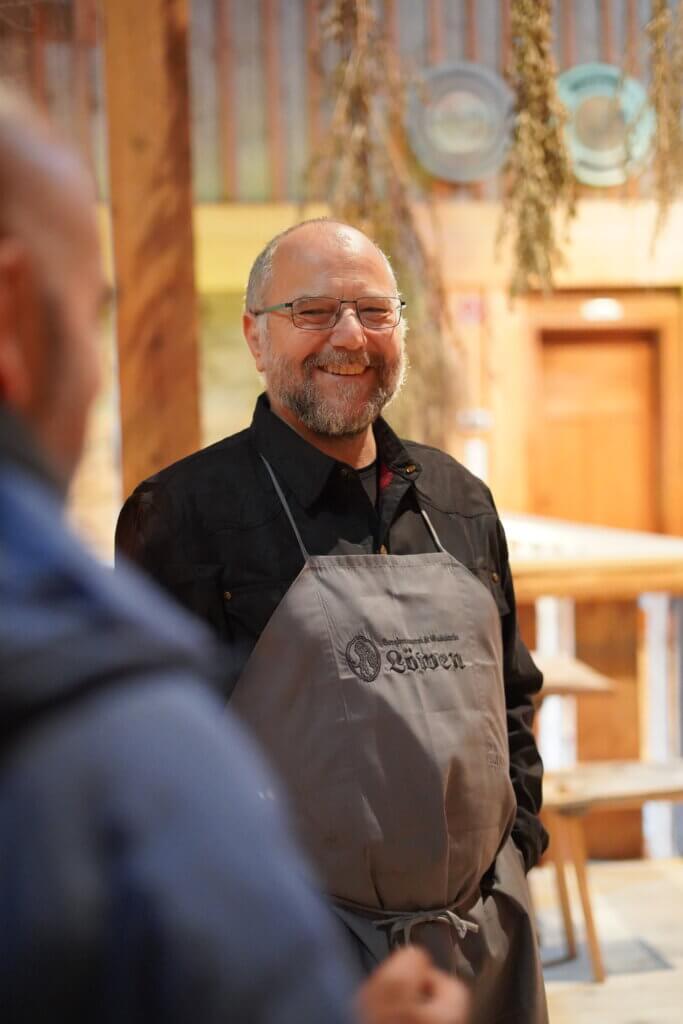
Like many towns in Bregenzerwald, Au offers a perfect view of the Austrian countryside, surrounded by beautiful wooden buildings and balconies filled with colorful flowers. The village and region attract many visitors thanks to their beautiful wooden architecture. Again, the passion for working with the land and the spirit of innovation born from challenges have transformed into some of the best woodworking in the world. This spirit of innovation is felt very tangibly at our next stop in Vorarlberg's culinary journey. At Löwen Mountain Distillery, in the village of Au, I sip the signature mountain tea that burns the concentrated essence of mountain fruits under the careful guidance of master distillation expert Oliver Huber. It has a fresh and beautiful herbal flavor, like mountain herbs and wild greens.
“We have 15 different products with 20,000 fruit distillations within a 100-kilometer radius around us,” says Oliver, explaining how a 300-year tradition born from farmers trying to turn excess fruits into portable currency has transformed into sophisticated beverages. “When it passes through the straw cow, it turns into mountain cheese. And when it passes through our distillation apparatus, schnapps is created. Essentially, our product is summer preserved in a bottle.”
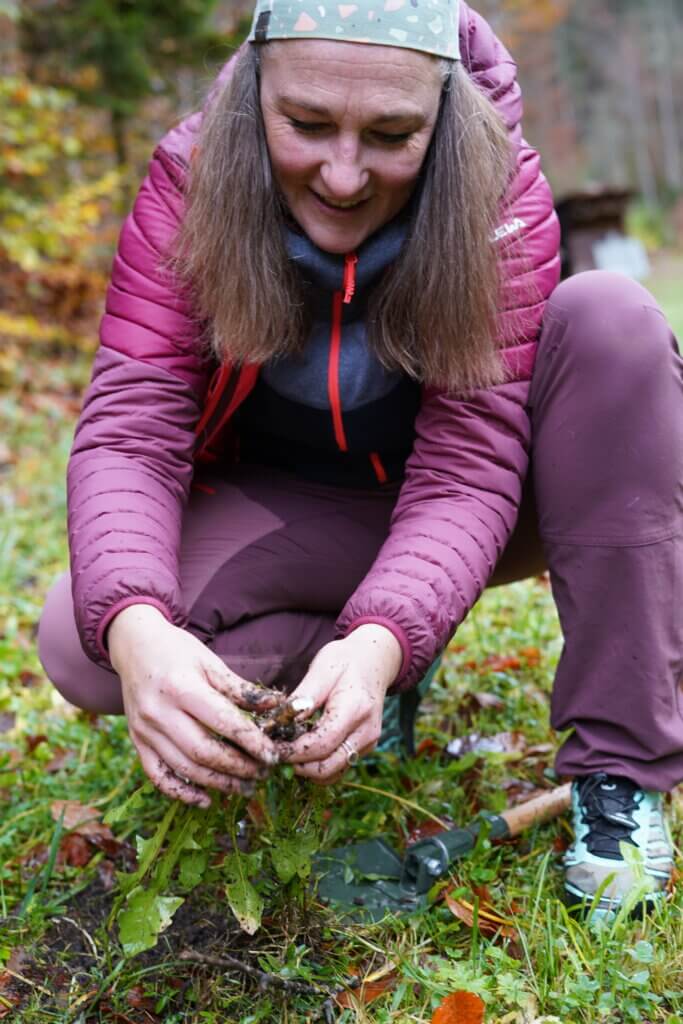
Later, we set off to collect herbs with plant expert Katharina Moosbrugger. I gather dandelions from an alpine meadow and learn that this common herb supports liver health and digestion. “Countless herbs grow right in front of our door,” she says, offering me a leaf to smell by crushing it between her fingers. A precious reminder; in places where the growing season is harsh and short, nothing is wasted, nothing is taken lightly.
This is the essence of Vorarlberg on a plate—necessity has become a virtue, scarcity has led to innovation, and simple ingredients are elevated with understanding and respect.
In a world of insatiable excess and ostentation, there is a profound meaning in a place where the harshness of the environment creates a deeper relationship with what the land provides, rather than poverty. In an uncertain world where self-sufficiency has become critical, Vorarlberg shows us that there is an alternative way of life through methods honored over time and traditions passed down through generations, living in harmony with a constantly changing landscape and world.





Comments
(8 Comments)