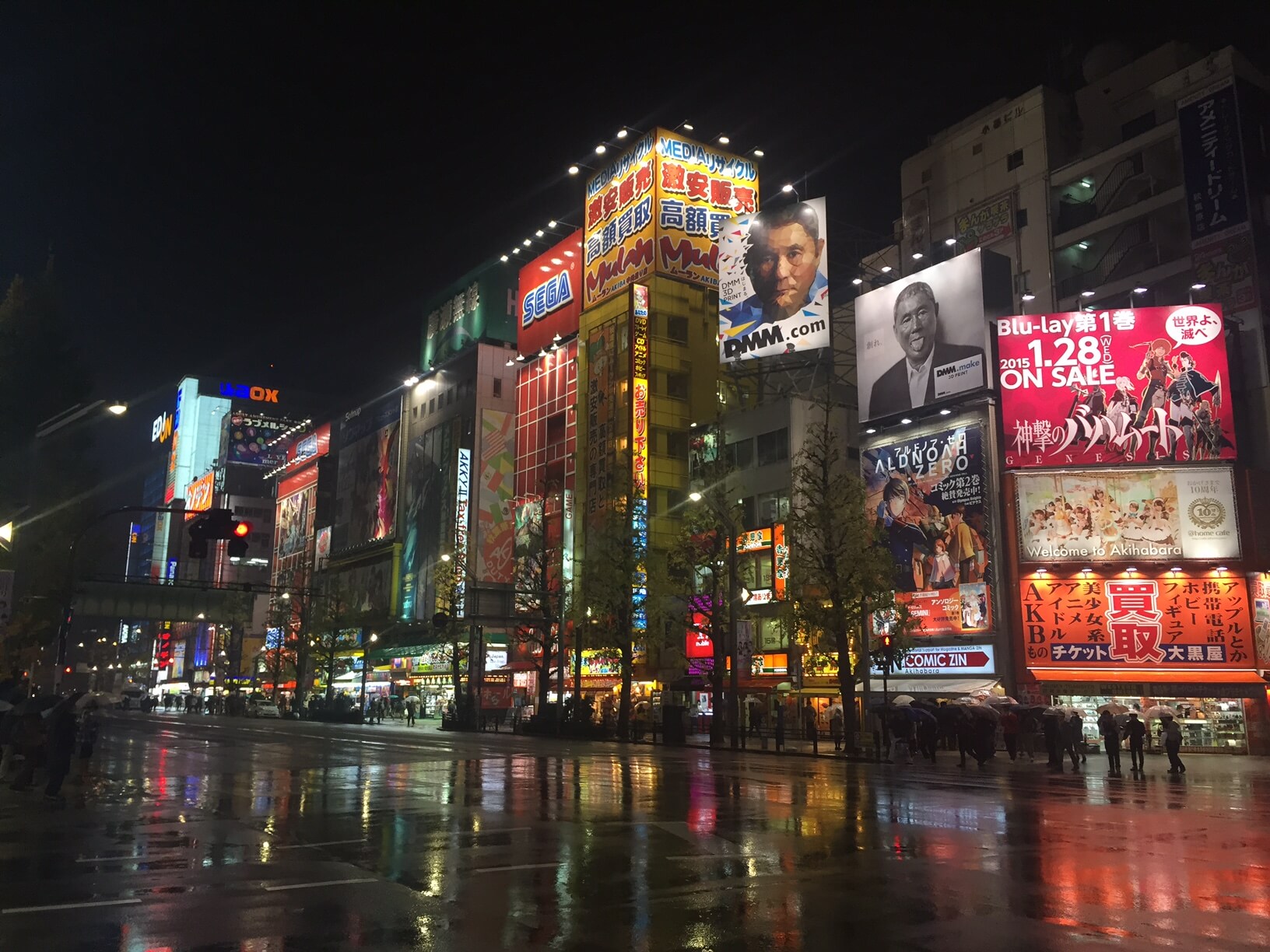
Japan, which has a deep spiritual atmosphere and an innovative perspective while adhering to its traditions, continues to be one of life's greatest travel adventures. I miss Japan so much and look forward to returning. For me, this country was like stepping into a truly different dimension. During my last trip in 2015, I had the opportunity to shoot a video series called 'Hidden Japan' with Lonely Planet, and in the process, I explored Tokyo extensively and also visited Niigata and Kanazawa. Based on this trip, I would like to share 18 activities to do on a budget in Japan with you. All these tips are classic but always valid recommendations. Additionally, I have added links to the Lonely Planet Japan series in case you haven't seen them yet.
1. Get a Japan Rail Pass
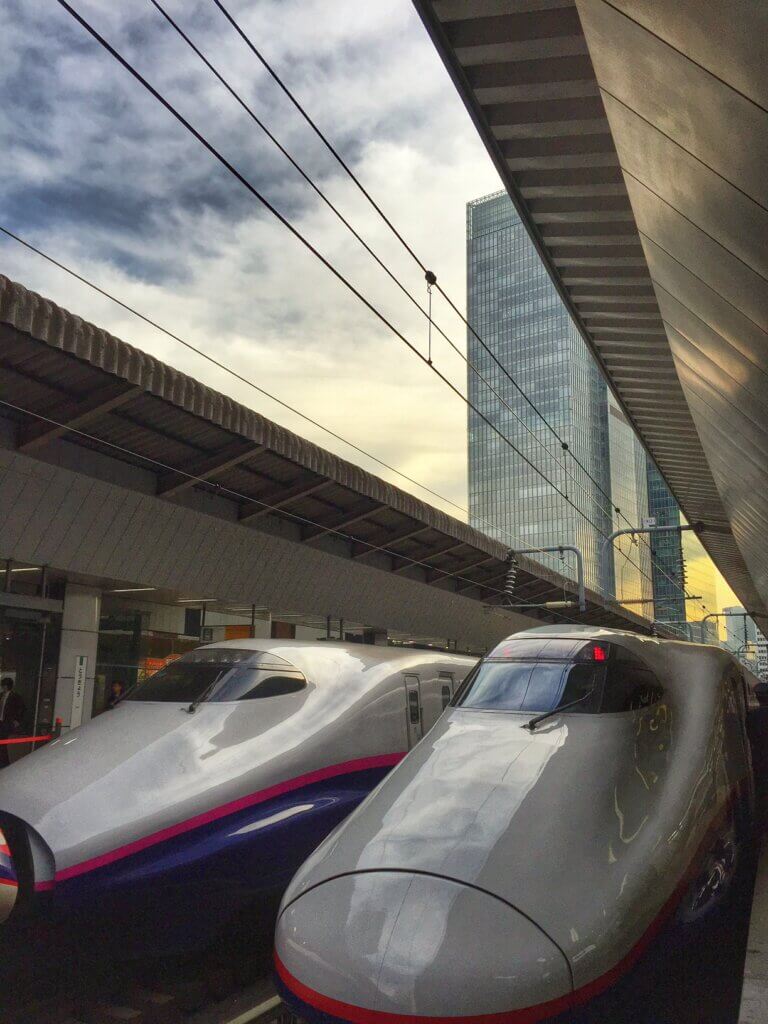
There's nothing like seeing Japan from the window of a train. The JR Rail Pass is the best way to explore Japan. This pass offers unlimited travel on the Japan Rail network for one, two, or three weeks (excluding the fastest express services). It is only valid for those with a tourist visa and must be purchased at least one week before your trip to Japan.
A one-week rail pass costs 50,000 yen (approximately 337 USD), while a two-week pass is 537 USD. A one-way ticket from Tokyo to Kyoto costs about 13,500 yen, so a round trip is approximately 27,000 yen (about 180 USD). Just with a round trip from Tokyo to Kyoto, you cover more than half the cost of your JR Rail Pass, making it excellent value if you plan to travel around the country.
3. Get a JR East Pass
The JR East Pass offers great value for those wanting to explore Eastern Japan; think Tohoku, Kanto, Nagano, and Niigata. A 5-day Tohoku Pass costs only 30,000 yen (10-day 48,000 yen) and covers Tokyo, Sendai, Aomori, Akita, and Yamagata. The Nagano/Niigata version is cheaper at 27,000 yen and includes access to Tokyo, Nagano, Niigata, ski areas, and Mount Fuji. In terms of cost savings, a round trip Shinkansen ticket from Tokyo to Aomori is more expensive than the 5-day pass alone, so a long journey pays for itself. This pass covers the main Shinkansen lines (Tohoku, Joetsu, Hokuriku) and local JR East lines. If you are only doing short day trips in Tokyo, skip the pass; instead, get the Tokyo Wide Pass, or if you are traveling nationwide for places like Hokkaido, a national JR Pass makes more sense.
4. Or take a bus
If you are in Japan and do not have a JR Rail Pass, then consider traveling by bus. For example, you can travel one way from Tokyo to Kyoto for just 3,500 yen with Willer Express. The journey takes about 8 hours, and you can make reservations online through English websites.
5. Save on accommodation with a night bus
For long and medium distances, Night Buses can be a smart option; like traveling overnight from Tokyo to Hiroshima. You can make reservations through English language websites, such as Willer or kosokubus.com.
6. Get a JBL bus pass
If you are planning multiple trips and want to spread them out but your budget does not allow for a JR Rail Pass, then the JBL Bus Pass is a great option.
With the cancellation of the Willer Bus Pass, the only flexible bus pass currently available is the Japan Bus Lines or JBL bus pass. JBL covers the widest area in Japan, and with this pass, you can visit destinations like Hida Takayama and Kanazawa.
The JBL Pass is like an unlimited travel ticket for the express bus covering the widest area in Japan. With this pass, you can reach popular destinations such as Hida Takayama and Kanazawa. Depending on your travel plans, you can choose one of the 3-Day, 5-Day, or 7-Day passes (travel within one month). Travel days do not have to be consecutive, and you can travel within one month.
If you are traveling only on weekdays, opt for the pass from MON to THU.
7. Visit a temple or sacred site in Tokyo for free
Most temples and sacred sites have free or very low entrance fees.
Sensoji Temple, Taito-ku, Asukasa
Tokyo's oldest temple reminds us that not everything in this city is about futuristic ideologies and electric products. Thousands of people flock to this well-preserved temple to apply incense smoke to their skin for good health and to pay their respects. Metro: Asakusa (exit 4); entrance is free.
Meiji-Jingu Shrine, Shibuya-ku, Yoyogi Kamizonocho 1-1
This place, dedicated to the spirits of Emperor Meiji and Empress Shoken, is one of the finest examples in Tokyo. It is located within a large park and is visited by many people looking to escape the city. Metro: Harajuku; entrance is free.
Tokyo's neighborhoods offer endless walking areas at no cost. Shimokitazawa is for vintage shops and live music; Yanaka for the old Tokyo atmosphere; Harajuku for a Sunday stroll; the teamLab borderless digital art experience requires payment, but much of Tokyo's visual feast takes place on the streets. Japan's best public parks and gardens are often free or charge a nominal entrance fee.
8. Eat at a supermarket
If you are on a tight budget in Japan, eat at a local supermarket at least once a day. In Tokyo's Harajuku area, I often bought lunch/dinner from 7-Eleven. This is not just any ordinary ready meal. Among the delicious options, you can try salmon rice with buttery soy sauce, a wide variety of sushi, or chicken soboro bento with cabbage salad and spinach on the side. Amazing!
Locals clear the shelves after work, so go early for the best food selection. Also, another practical tip: the ATM machines at 7-Eleven are one of the few places where you can withdraw cash with a foreign bank card.
9. Stop by Yoshinoya, one of Japan's oldest fast-food chains
I arrived in Tokyo around 11:30 PM, and the only place open in Harajuku was a restaurant called Yoshinoya. Later, I learned that this is one of Japan's oldest restaurant chains, dating back to 1899! They offer delicious, cheap, and quick meals. Their signature dish is known as Gyūdon (beef bowl). What you get is a bowl of rice topped with beef and onions flavored with a sweet sauce. They also offer free pickled ginger (beni shōga) and Japanese tea (ocha, お茶). It costs about 500 yen with miso soup. A great deal!
Matsuya is another excellent, budget-friendly Japanese fast-food chain offering Gyūdon (beef bowl) and Japanese curry, and they provide great value breakfast sets. They also serve free miso soup and tea. Check their English menu to see what the meals are. Prices start around 800 yen (4.50 €).
10. Take advantage of lunch sets and happy hour deals
Many restaurants offer excellent lunch sets (teishoku) that will cost double for dinner; prices are around 1000 yen (bento boxes are cheaper at about 500 yen). These usually include rice, miso soup, pickles, and a main dish. Some places also have “morning service” breakfast deals and happy hour drink specials. Look for signs that say “ランチセット” (lunch set) or “定食” (teishoku).
11. Find cheap, authentic food at local markets
The Tsukiji Outer Market in Tokyo or the Nishiki Market in Kyoto offers street food and fresh ingredients at local prices. You will find better and cheaper food than at tourist restaurants. Try fresh sushi from market stalls, tamagoyaki (sweet egg roll), or taste local specialties. These markets are places where locals shop, so the prices are not inflated for tourists, but real.
12. Drink tap water
Don't spend money on bottled water in Japan. Tap water in Japan is drinkable and safe. Buy a bottle of water from a supermarket, then refill it at your hotel or anywhere you go.
13. Consider capsule hotels and internet cafes
Many people find accommodation in Japan expensive, but if you are traveling alone, there are really budget-friendly options like capsule hotels or internet cafes.
Capsule hotels were invented to provide a place for Japanese businessmen to sleep when they miss the last train or are too drunk after a few drinks. It’s worth remembering that these rooms are very small if you suffer from claustrophobia: you get a tube with just a bed.
I stayed at the Nine Hours Hotel at Narita Airport (check out my video above). They provided me with a robe, toothpaste, toothbrush, and even slippers. I had a large locker to store my belongings. The showers were excellent. My bed for the night was only 4,000 yen (about 27 USD). Another option to experience is to sleep in an internet cafe. If you arrive late, you can get a room from midnight to 8 AM for about 2,500 yen (about 17 USD). In many cases, you can sleep on a couch, but if your budget is tight, this might be an option. Cafes usually also have showers.
14. Use public baths (sento) instead of hotel spas
For 400-500 yen, you can experience a traditional Japanese public bath. This is an affordable experience that offers cultural immersion and relaxation – much cheaper than hotel spas or onsen resorts. Most neighborhoods have a local sento, which is a great way to relax after a day of sightseeing.
15. Visit free observation decks in Tokyo
A great tip if you are visiting Tokyo. For the best view of Tokyo, go to the 45th floor of the Tokyo Metropolitan Government Building in Shinjuku. The building offers two free observation decks that provide a fantastic panoramic view of the city. When the weather is clear, you can see Mount Fuji, but unfortunately, the day I visited was quite cloudy.
16. Take advantage of free cultural experiences
Many temples and sacred sites are free – see the impressive Thunder Gate (Kaminari Mon) on the way to Sensoji Temple in the Asakusa area, where stalls sell everything from food to Hello Kitty products. Jetlagged, I stumbled upon the beautiful Meiji Jingu Shrine located in Harajuku; it’s nestled in a 175-acre evergreen forest in the middle of the city! You can also see a traditional wedding at Meiji Jingu Shrine.
There are often free art exhibitions on the upper floors of stores, and you can visit traditional gardens like the East Gardens of the Imperial Palace (entrance is free). These experiences offer deep cultural insights without spending a yen.
17. Shop at 100 yen stores
Don Quijote, Daiso, and other 100 yen stores are a treasure trove for cheap souvenirs, snacks, and travel essentials. You can find everything from chopsticks and fans to unique Japanese snacks and toiletries for just 100-110 yen. It’s the perfect place to get souvenirs without breaking the bank.
18. Free Sake Brewery Tour
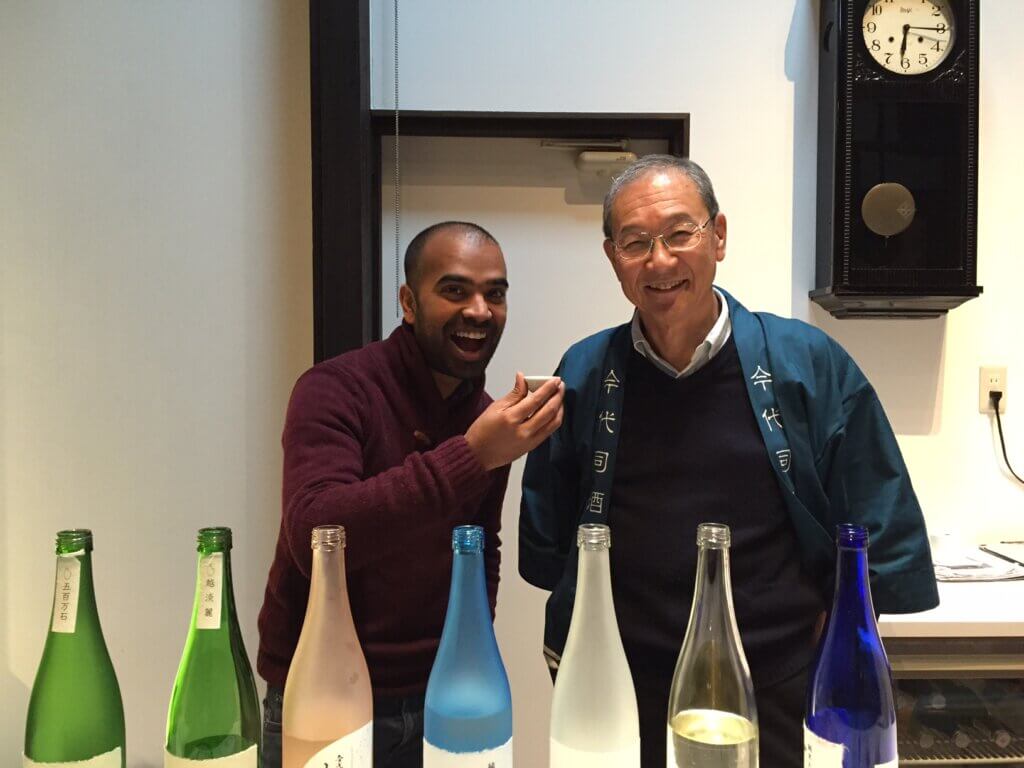
You may know sushi, but how much do you know about sake? Like sushi, sake is an integral part of Japanese cuisine and culture. There are many different types of sake: sophisticated sparkling sake, rich cloudy sake, or sweet and smooth dinner sake. I recommend visiting the 'snow country' Niigata and meeting 'Toji' Master Sake Brewer, Mr. Yamamoto-San, to learn how sake is made.
Niigata is famous for two things in Japan - Snow and Sake. In some areas of Niigata Prefecture, you can receive more than 30 inches of snowfall! It is a great place for skiing and snowboarding. The melting snow helps create the purest rice, which, along with pure water, creates the fresh and crisp taste of Japan's finest sake. There are over 80 sake breweries to choose from in Niigata. My preference is Imayotsukasa (1-1 Kagamigaoka, Chuo Ward, Niigata, Niigata Prefecture 950-0074, Japan +81 25-244-3010), where you can learn about the mastery process and then taste unlimited FREE samples of their beautiful sake wines. If you need a taxi to return to your hotel, they will gladly order one for you.
17. Sleep in a Manga Kissa
Why would someone sleep in a manga kissa? That's a perfectly reasonable question.
I once did this out of pure necessity. I arrived late in Tokyo, had no hotel, and had an early train the next morning; why not? Plus, it was cheap, I got an 8-hour package for about ¥2,500. We got our own cabin, which felt special enough - but "special" is relative, as the walls were only 6 feet high and it was possible for someone in the next room to watch you while standing on the couch. But luckily, we survived. The setup? A desktop computer, a TV with internet and a DVD player, and access to a manga and book library outside. There was also a shower room, unlimited drinks, and some snacks (there are charges for some items). Was it glamorous? No. Did it work? Absolutely. Sometimes budget travel means creatively finding a place to rest your head.



Comments
(7 Comments)