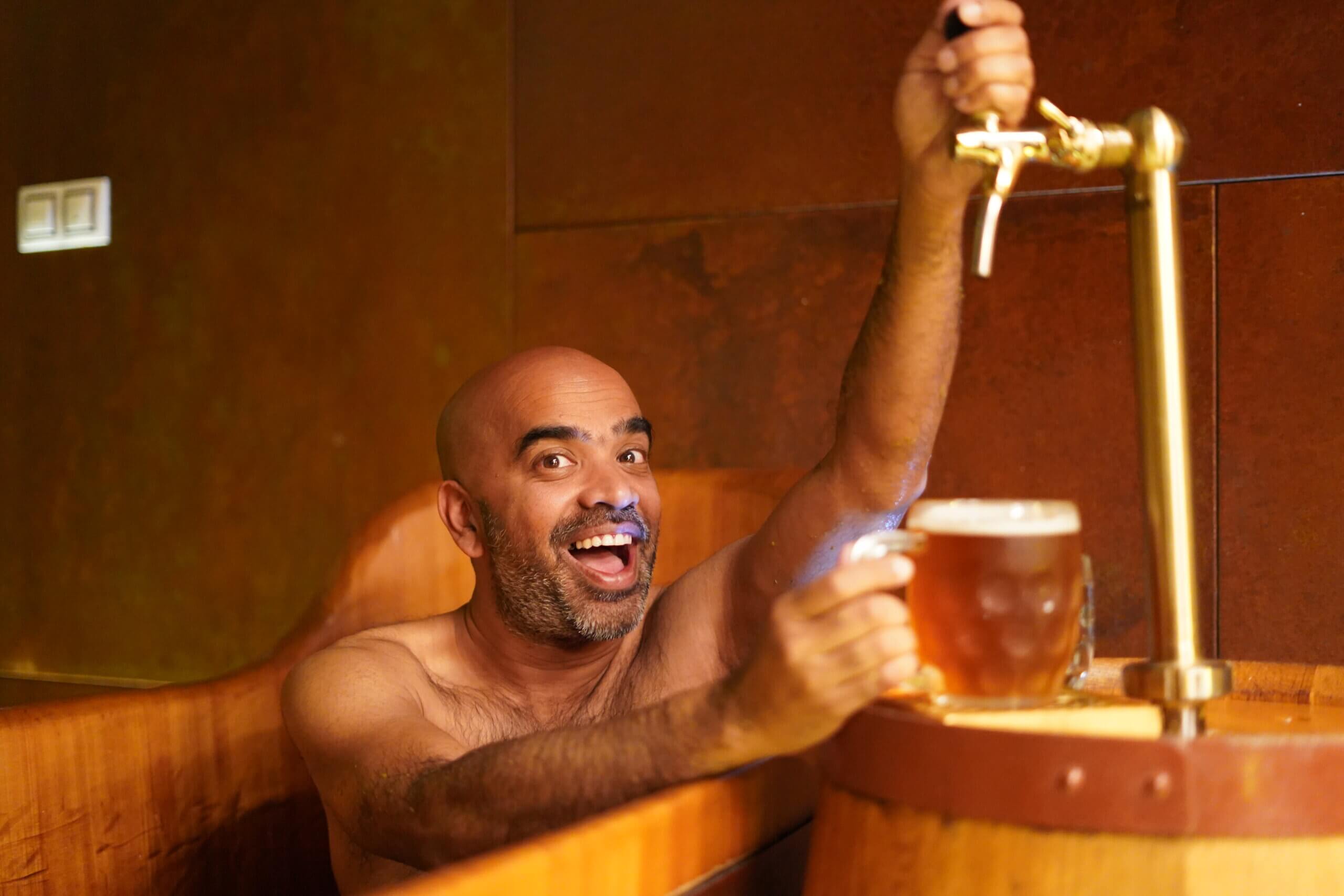
The Geography of My Home
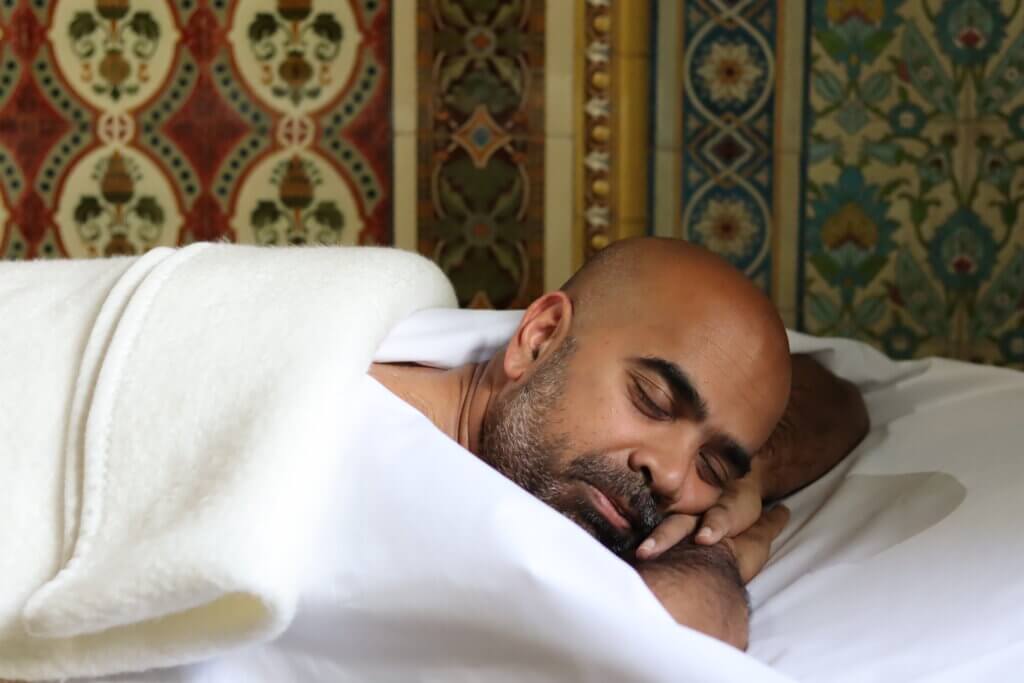
Feeling at home while receiving Co2 therapy at the Nove Lazne hotel in Marianske Lazne
The concept of identity and what home means has been a topic I have explored extensively on the blog over the years. I was born in England, grew up in India, studied in Scotland, and spent the last sixteen years traveling without a fixed address. I realized that home is not just a place on a map, but a constellation of memories, feelings, and fleeting moments that connect us to the world.
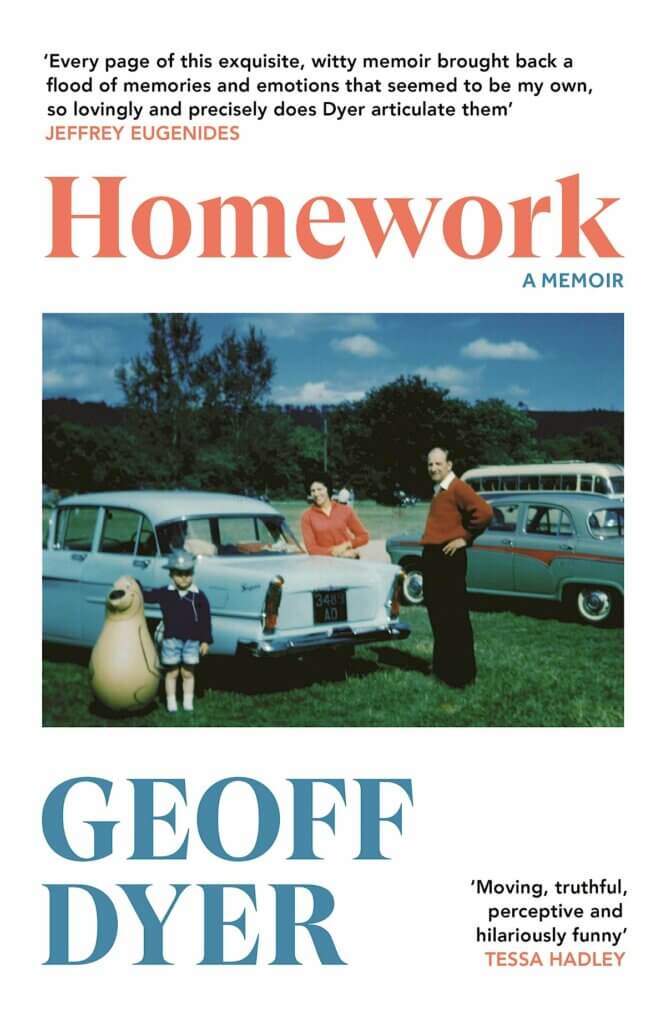
That’s why I am constantly drawn to the writings of Geoff Dyer, who questions the idea of a fixed identity. Dyer, who travels widely like me, explores the feeling of being "peripheral" to one’s own home in his writings. For me, home lives in the ordinary and portable things: my toothbrush, my eight-year-old Sony headphones that hope and duct tape have brought together, the bag of Indian spices that turns any kitchen into a temporary refuge. Home suddenly appears in a moment, triggered by a glimmer of midday sun, in the dark sky shining with a full moon, or in a Beatles song that takes me to a world filled with more love and less pain.
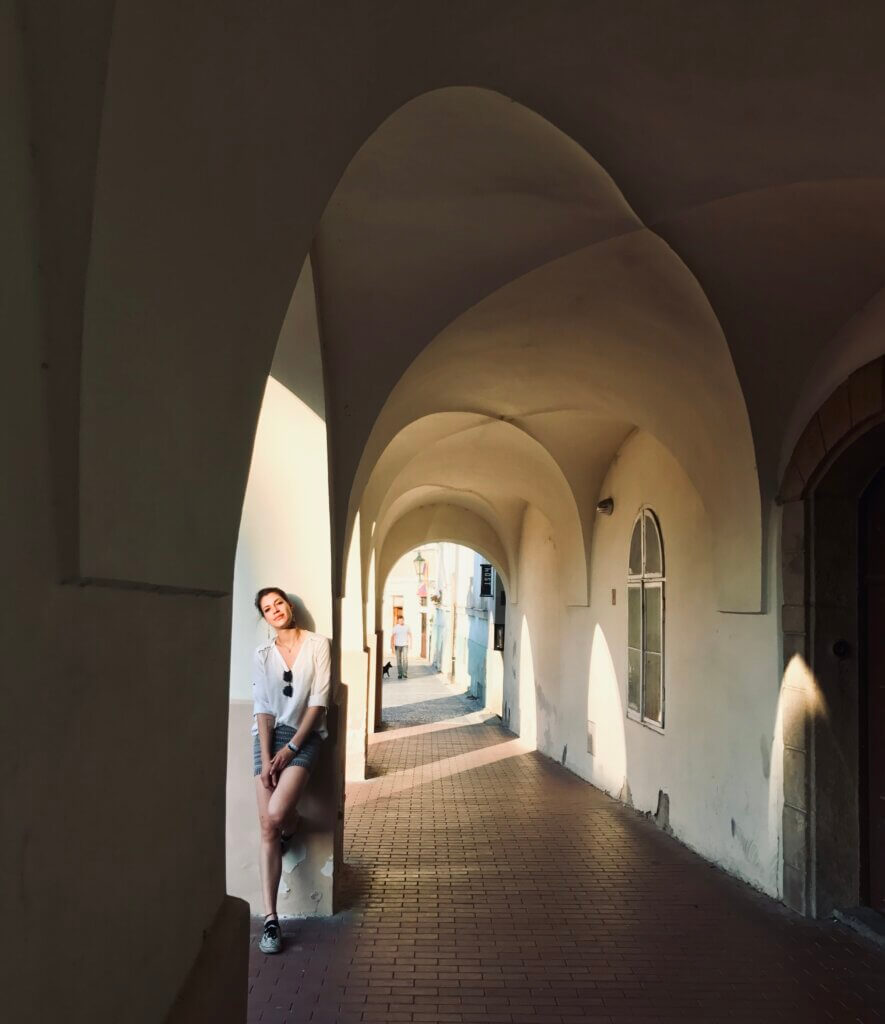
Once in Prague - Sabrina, June 2017.
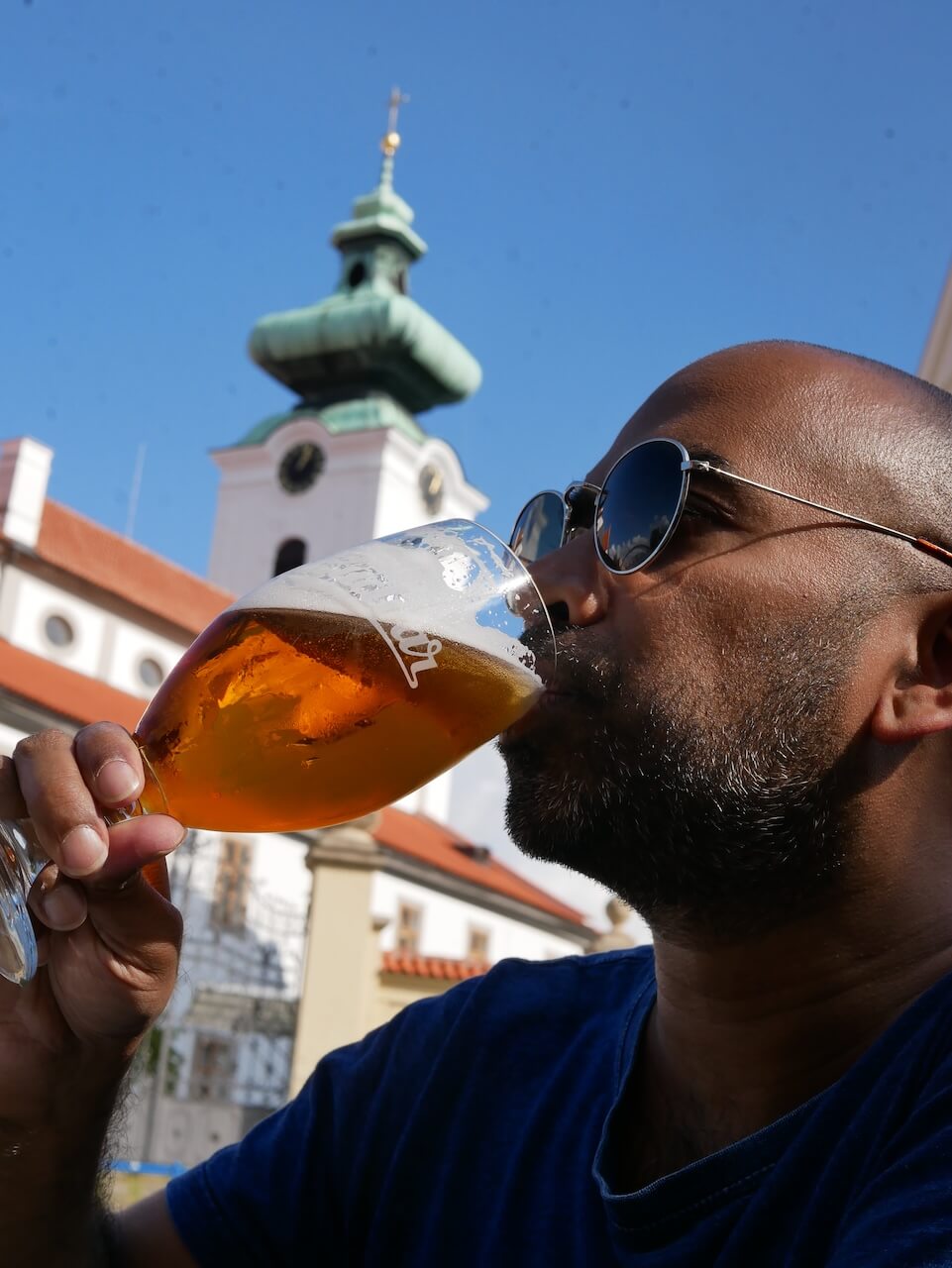
My love story with the Czech Republic began in the summer of 2017, when I had just started a new relationship with my fiancée Sabrina, whom I had been with for eight years. I planned a secret getaway to Prague, just a 4-hour train ride from Berlin. The magic of the Czech Republic begins with the train journey on Czech Railways. As we travel along the curves of the Elbe, we are accompanied by the surreal beauty of centuries-old sandstone formations in the background. Then, inside the train, we discover that there is one of the most beautiful dining cars, as if we were on the Orient Express. They inform us that we can get beers from the barrel, not just any ordinary beer, but probably the most heavenly beer I have ever had in my life. Yes, it’s yours, Pilsner Urquell. I think this set the tone for our journey and sparked our love for the Czech Republic. It was July, but it was one of those rare beautiful weekends of that summer, where everything I saw or touched felt magical in the golden light of Prague, in moments of being in love with someone wonderful. That moment with the beer was etched deep and meaningfully into my DNA with the fairytale scenery of Prague.
Since that sunny, beer-filled, love-filled weekend, I have returned to the Czech Republic every summer without interruption. My curiosity has not diminished; rather, it has deepened. From Bohemia to Ostrava, to Moravia, I have explored this country layer by layer, and with each visit, my appreciation has grown not only for the evident beauty but also for the details of daily life here. What if home were not a place but a feeling of acceptance and freedom?
Finding Freedom
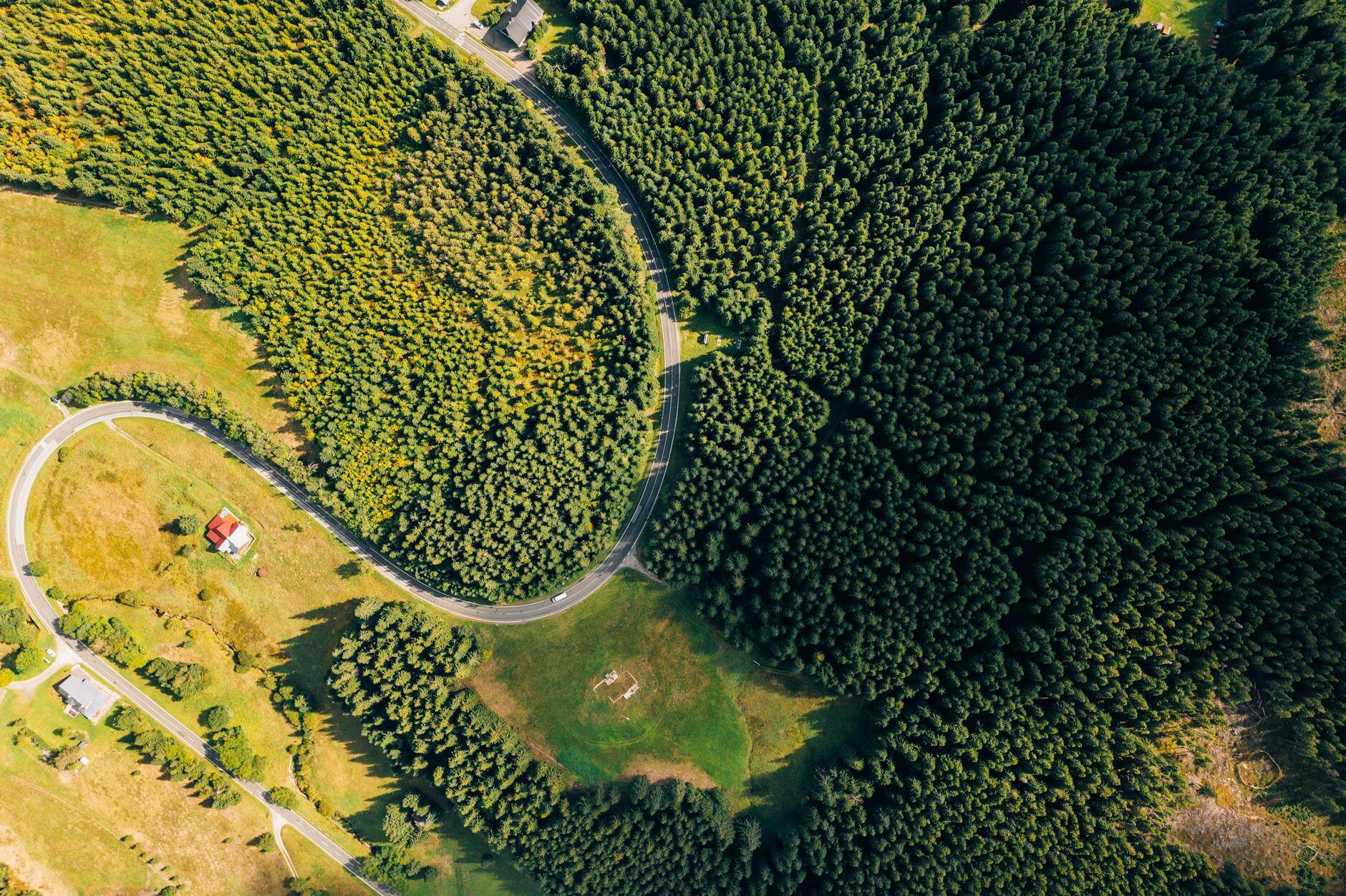
“The Czech Republic, in one word for me, is freedom,” says Marc de Duca, a writer for Lonely Planet about the Czech Republic. Speaking as someone who has made the Czech Republic his home for 25 years, Marc talks with the conviction of someone who has found what he was looking for.
“Traveling, hiking, camping, exploring, feeling a sense of belonging to nature is freedom. This is the country’s greatest asset and resonates with me in some way. It nourishes me.”
What strikes me most is Marc's emphasis on accessibility. “It can’t be said that this country has a lot of open spaces,” he explains, “but they are so accessible. You can leave any town and enter the forest, and that’s what keeps me here.”
Being in a country where you can step into nature without permits, without queues, and without feeling like just one of the thousands of tourists following a specific path is something liberating. The freedom to be anonymous, the freedom to be ordinary, the freedom to simply exist. This resonates deeply with me. After visiting Paris, London, and other major tourist destinations, there’s something about places that allow you to just exist.
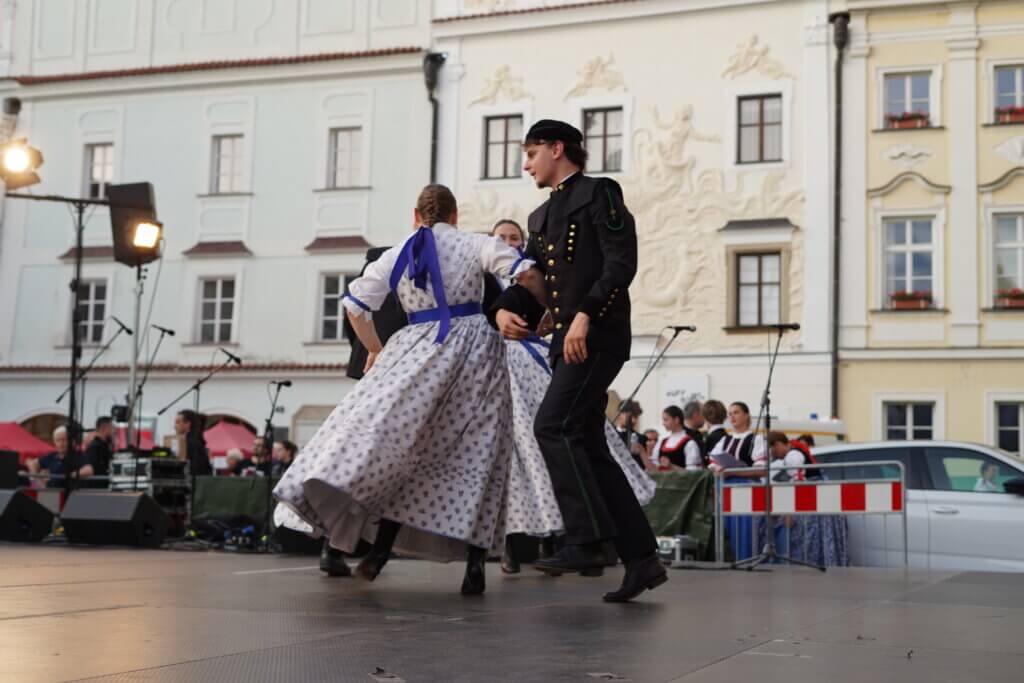
Folklore Festival, June 2025. Pardubice
Just an hour away from Prague, the seventh largest city in the Czech Republic, Pardubice, is one of those places. It’s a place built not for tourism, but for living; this makes it perfect for visitors seeking authenticity. You are not a tourist; you are just a foreigner observing the rituals of daily Czech life.
During World War II, Allied bombers damaged much of the city while targeting a nearby oil refinery, but the historic Pernštýn Square has survived. Today, it is one of the largest city squares in the Czech Republic, characterized by the architectural harmony of beautifully preserved period buildings. Although the Pernsteins are long gone, their legacy continues in the form of peacocks proudly walking through the royal castle gardens and along the entrance walls. Pardubice gives a typical feeling that makes the Czech Republic a wonderful destination in many ways. Prague stands out as a clear focal point, and now the second city, Brno, draws attention, but there are also many off-the-radar destinations to visit in this country.
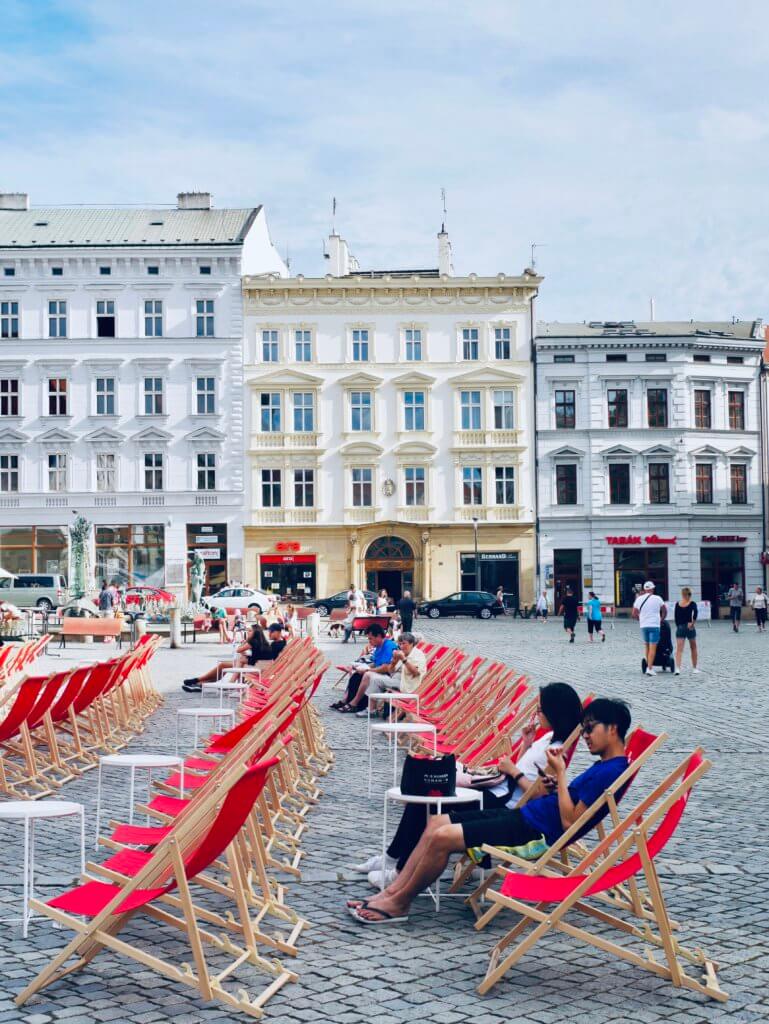
Olomouc, the sixth largest city, is also an off-the-radar city just like Pardubice. Being a popular university city, students give it a cool, bold vibe, and compared to its baroque architecture, beautiful medieval squares, and chic cafes, you realize once again that there is so much to discover in the Czech Republic.
Finding Beauty in Small Details and Contradictions
‘The Czech Republic in one word? Probably love,’ says Aleška Čeňková, her eyes sparkling with passion. “And I’m talking about love for beauty, architecture, sculptures, and paintings. I feel proud of many artists from the Czech Republic—Alphonse Mucha, sculptor Myslbek, and many more. They created something beautiful, and you can feel it comes from their hearts; the heart, the Czech heart, and that means love to me.”
There is a secret joy in the subtle things in life in the Czech Republic. They even have an expression: Malé ryby taky ryby. “Small fish are also fish.” This is probably a side effect of living under communism, but there is an appreciation for the small joys of life. Every victory, big or small, matters.
Whether it’s music, architecture, nature, gastronomy, or humble gingerbread, there is a pleasant symmetry of aesthetics and life here. If Wes Anderson were a country, it could be the Czech Republic.
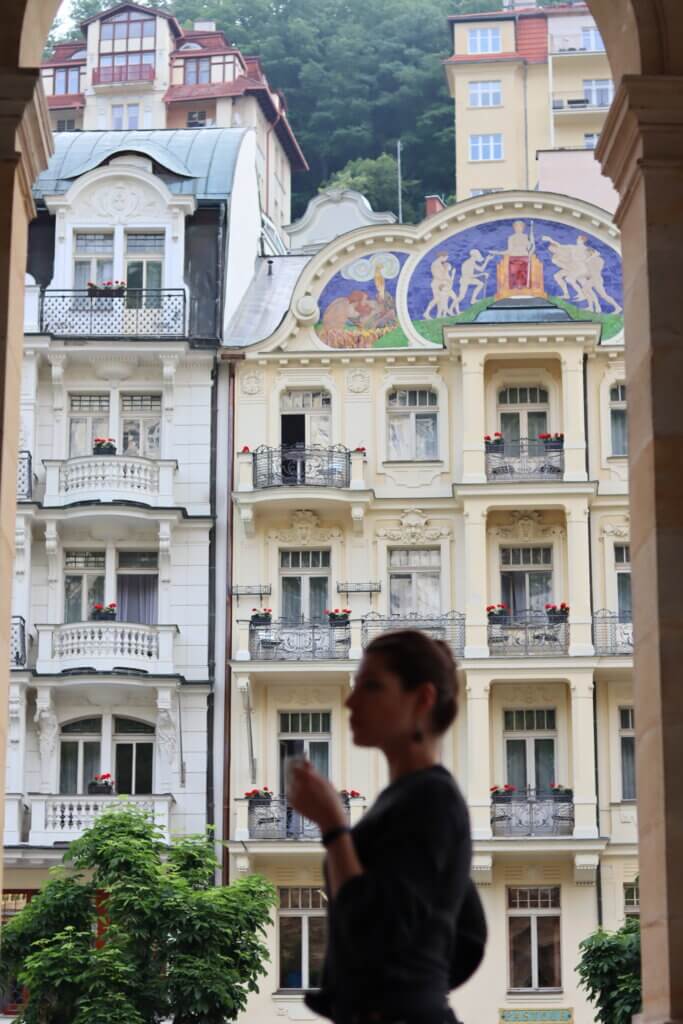
While many associate the beautiful town of Görlitz with the film The Grand Budapest Hotel, what many don’t know is that the real hotel was inspired by the Hotel Imperial in the colorful spa town of Karlovy Vary in the Czech Republic. Karlovy Vary is one of those classic nostalgic spa towns where you can feel the weight of history. No matter where you look, there are grand spa architectures and perfectly maintained streets influenced by the town’s famous healing spring waters, once visited by Beethoven, Mozart, Goethe, and Kafka.
Beyond the healing mineral springs, there is much to engage curious tourists, but there are also some interesting surprises here. You have the chance to visit the famous Bohemia crystal glass manufacturer Moser, and the beloved national drink Becherovka, which was invented here, is also available. You can taste the healing water from the 18 hot springs present here, but then there are the legendary delicious wafers that create an interesting contrast to this healing, sulfurous water. Then, compared to all major architecture, the iconic Thermal Hotel complex, completed in 1977 and hosting one of the world's most famous film festivals, the Karlovy Vary International Film Festival, features Brutalist architecture designed by Věra and Vladimír Machonin.
Karlovy Vary embodies the wonderful contradictions that define the Czech Republic—a spa town that is both healing and hedonistic, where Brutalist architecture proudly stands alongside Art Nouveau without conflict, a place where you can honor tradition while embracing the avant-garde.
What the Czech Republic Means to Me
After many summers visiting the Czech Republic, it is hard to summarize what this country means to me.
When I think of the Czech Republic and close my eyes, I remember my first trip to South Moravia; standing in the middle of a beautiful vineyard, surrounded by limestone hills under the intense June sun, I was with winemaker Dominika Černohorská, that is, Plenér. She is generously pouring from her signature green egg-shaped bottle of Cuvée Leonard wine. Drinking her wine, along with her at its source, in this fairytale landscape felt quite special, but it also brought a sense of escape and freedom. This is a country where nature is accessible and anonymous, where you can step out of any town and enter the forest, and be alone with your thoughts and the sound of the wind among the leaves.
For me, the Czech Republic also means love; the kind of love that sprouted during a summer weekend in July 2017, as mentioned by Aleshka, and grew with subsequent visits. A love that comes from the daily rituals of life you can experience in Pardubice and Olomouc, from many unforgettable meals and wine glasses, and beer pitchers.
But perhaps most importantly, for me, the Czech Republic represents the possibility of finding a home not where you were born, but where you are welcomed as yourself; discovering that identity is not fixed but fluid, and sometimes understanding that a sense of belonging comes not from where you started, but from the place you keep returning to.
Comments
(6 Comments)